 In
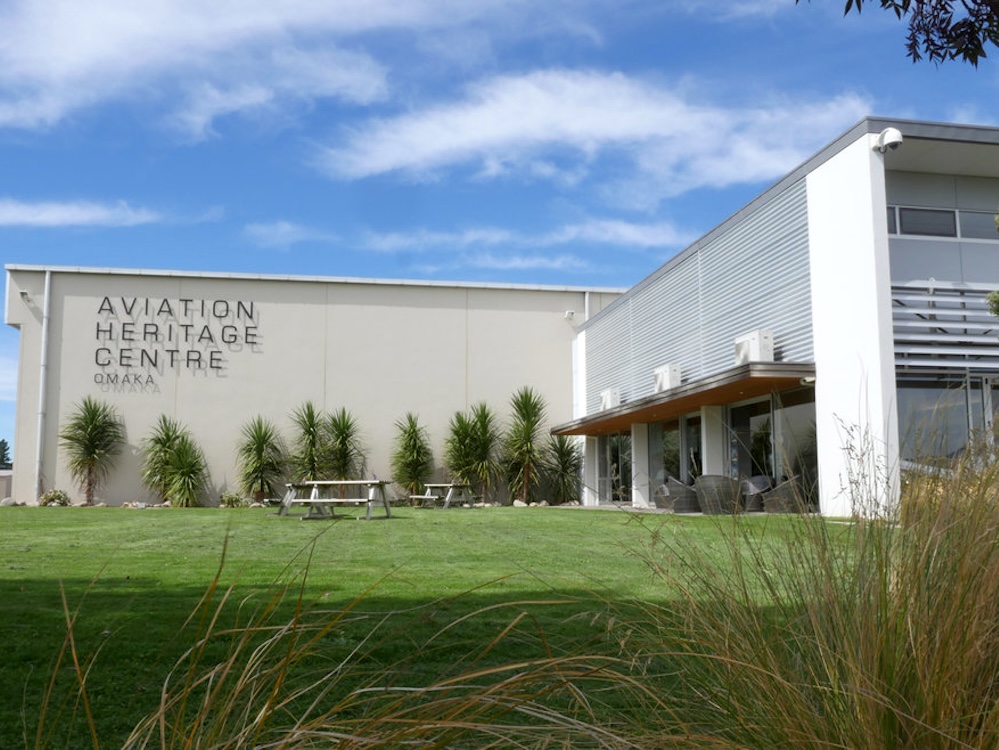
the morning our tour arranged a car to take us to the nearby
Omaka Heritage Aviation Museum. Located in the city of Blenheim,
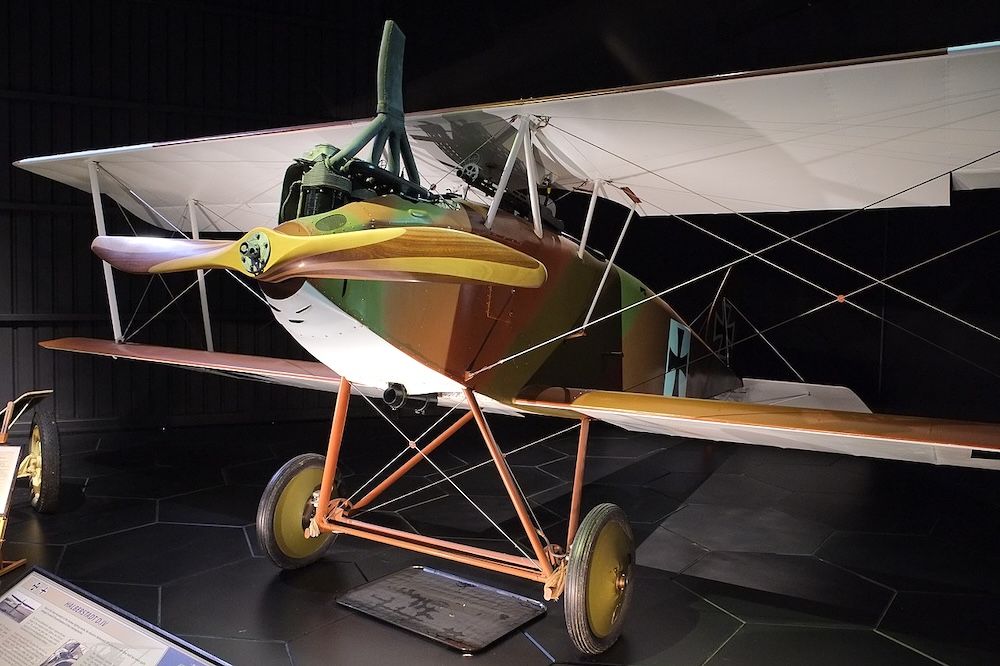
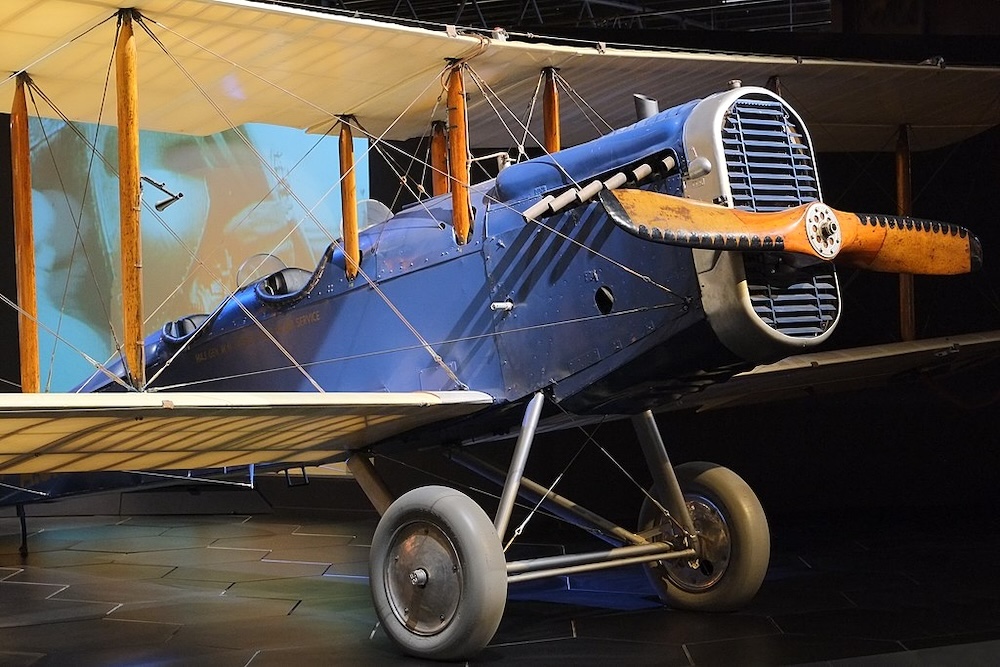
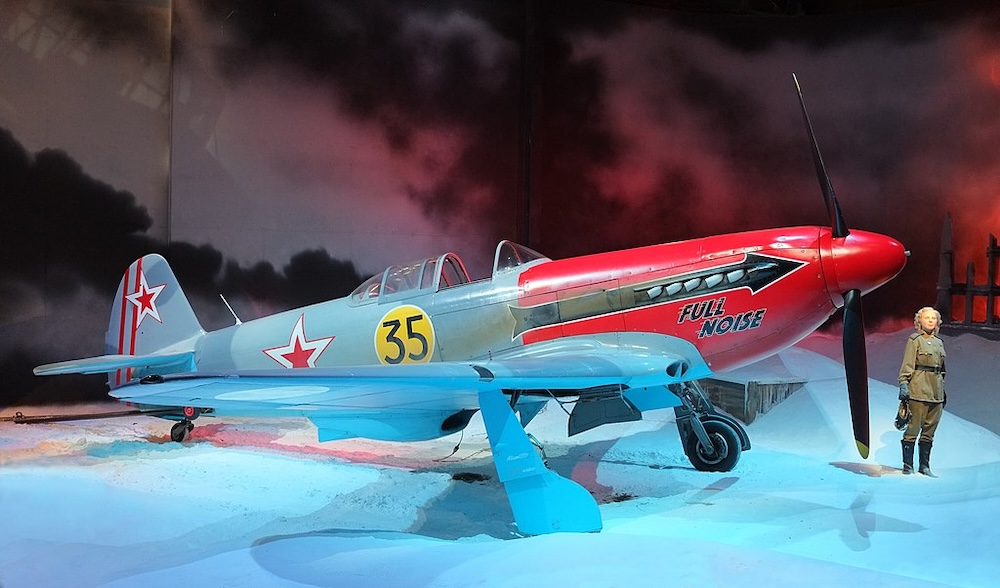
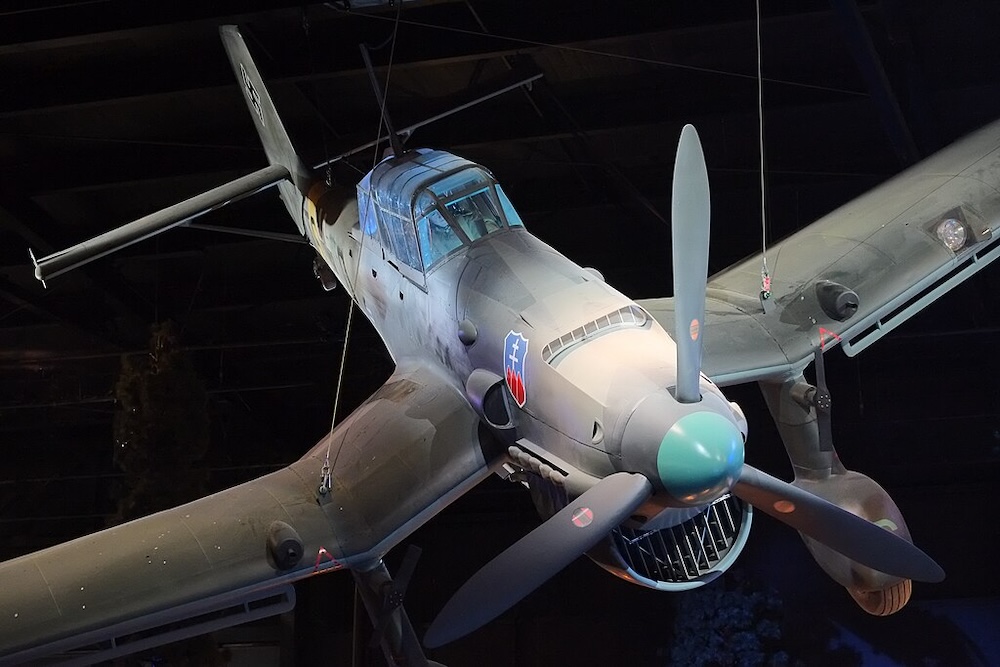
it is a world-renowned museum that brings the history of
aviation to light with a focus on the airplanes of World Wars I
and II. The planes are courtesy of Peter Jackson of Lord of
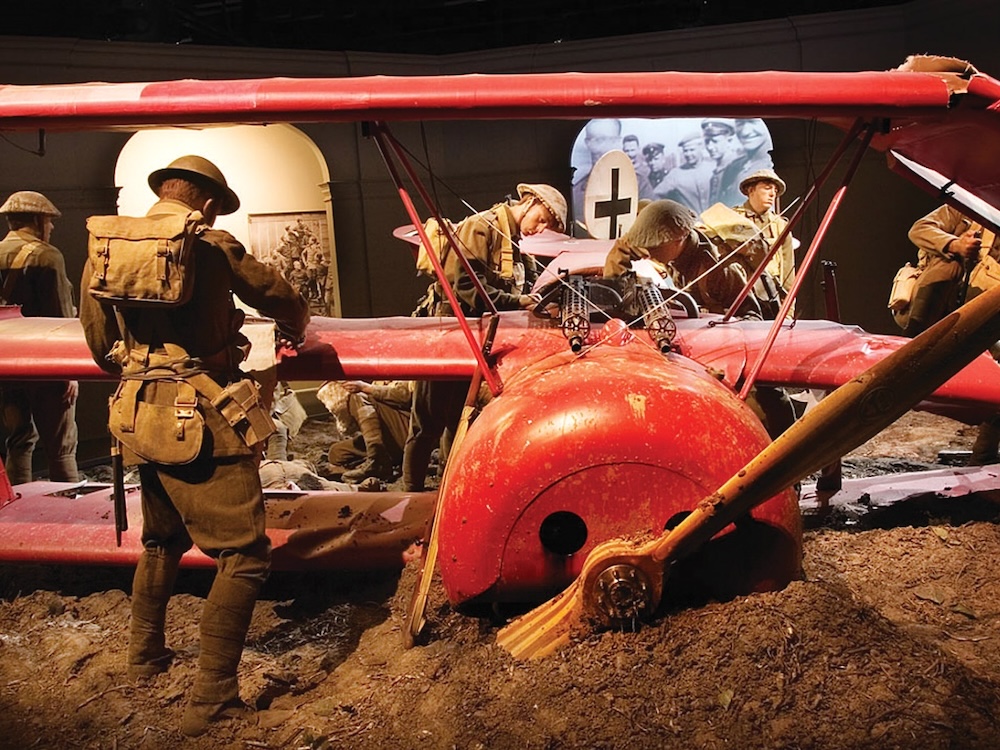
Rings fame. The planes are placed in contextual
scenes using dioramas created by Wingnut Films and mannequins
from the Weta Workshop in Wellington. Knights of the Sky
explores the role of aircraft in World War I, while the Dangerous
Skies exhibit focuses on the airplanes of World War II.
What makes the museum unique is the cinematic lighting and props
that tell stories of the pilots of each plane. It is
movie-making applied to historical artifacts. Only three of the
planes are originals, and the rest are replicas the Peter
Jackson and his crew have constructed. Some are full scale,
while some are half-sized models. In addition to the dioramas,
there are a range of military artifacts from the two "Wars to
End All Wars." The Sky Omaka Aviation Museum offers a compelling
experience for aviation enthusiasts, history buffs, and anyone
interested in the ingenuity and courage of early aviators. If
you would like to learn more about the museum here is a link
to Aviation History Museum's web page. As with the Hamilton
Gardens, if you are interested in a more comprehensive overview,
please select the VR tour below.
In
the morning our tour arranged a car to take us to the nearby
Omaka Heritage Aviation Museum. Located in the city of Blenheim,
it is a world-renowned museum that brings the history of
aviation to light with a focus on the airplanes of World Wars I
and II. The planes are courtesy of Peter Jackson of Lord of
Rings fame. The planes are placed in contextual
scenes using dioramas created by Wingnut Films and mannequins
from the Weta Workshop in Wellington. Knights of the Sky
explores the role of aircraft in World War I, while the Dangerous
Skies exhibit focuses on the airplanes of World War II.
What makes the museum unique is the cinematic lighting and props
that tell stories of the pilots of each plane. It is
movie-making applied to historical artifacts. Only three of the
planes are originals, and the rest are replicas the Peter
Jackson and his crew have constructed. Some are full scale,
while some are half-sized models. In addition to the dioramas,
there are a range of military artifacts from the two "Wars to
End All Wars." The Sky Omaka Aviation Museum offers a compelling
experience for aviation enthusiasts, history buffs, and anyone
interested in the ingenuity and courage of early aviators. If
you would like to learn more about the museum here is a link
to Aviation History Museum's web page. As with the Hamilton
Gardens, if you are interested in a more comprehensive overview,
please select the VR tour below.| World War I
Airplanes |
||
 |
 |
 |
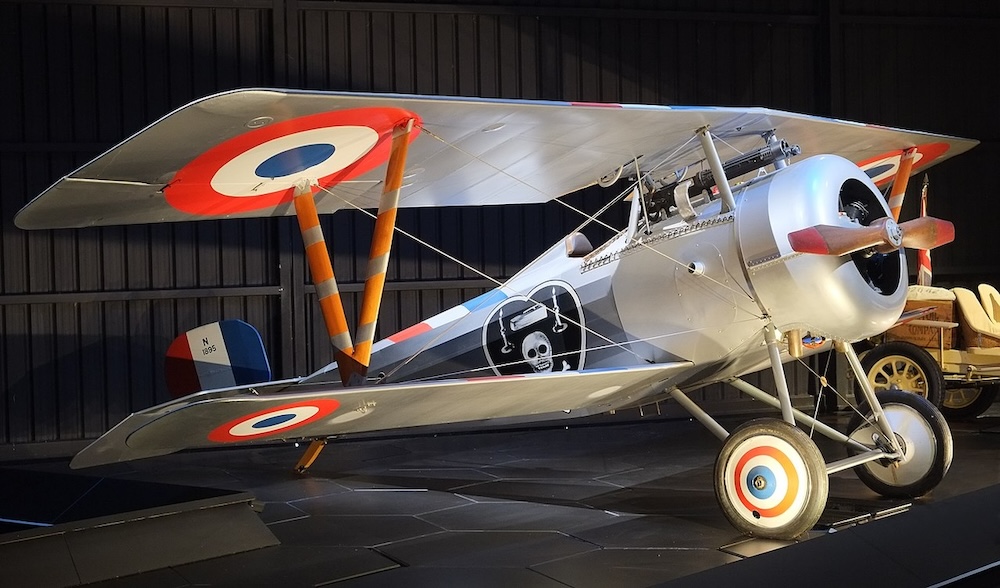
| Nieuport 24 |
Halberstadt D. IV |
Airco de
Havilland DH-4 |
World War II Airplanes |
||
 |
 |
 |
| Yakovlev 3Ua |
Junkers Stuka
JU-87 |
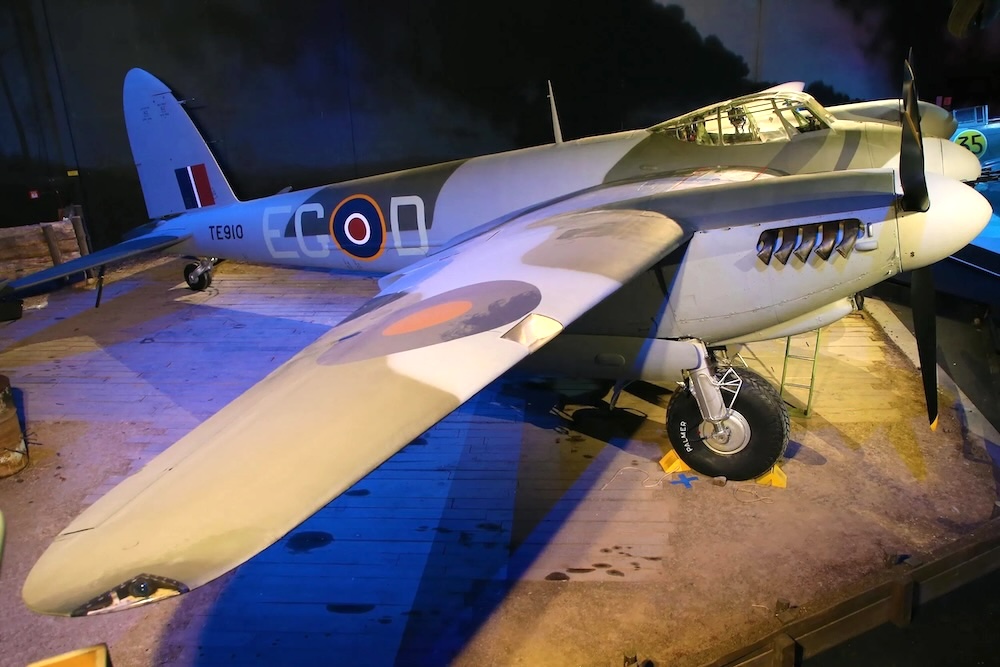
de Havilland
Mosquito |
 For a 360
degree tour of the Omaka Heritage Aviation, follow this link. Tour
will open in a new window
For a 360
degree tour of the Omaka Heritage Aviation, follow this link. Tour
will open in a new window
 Our
tour group headed back towards the north end of
the island and took a 45-minute cruise of the
outer Marlborough Sound to the jetty at Whekenui
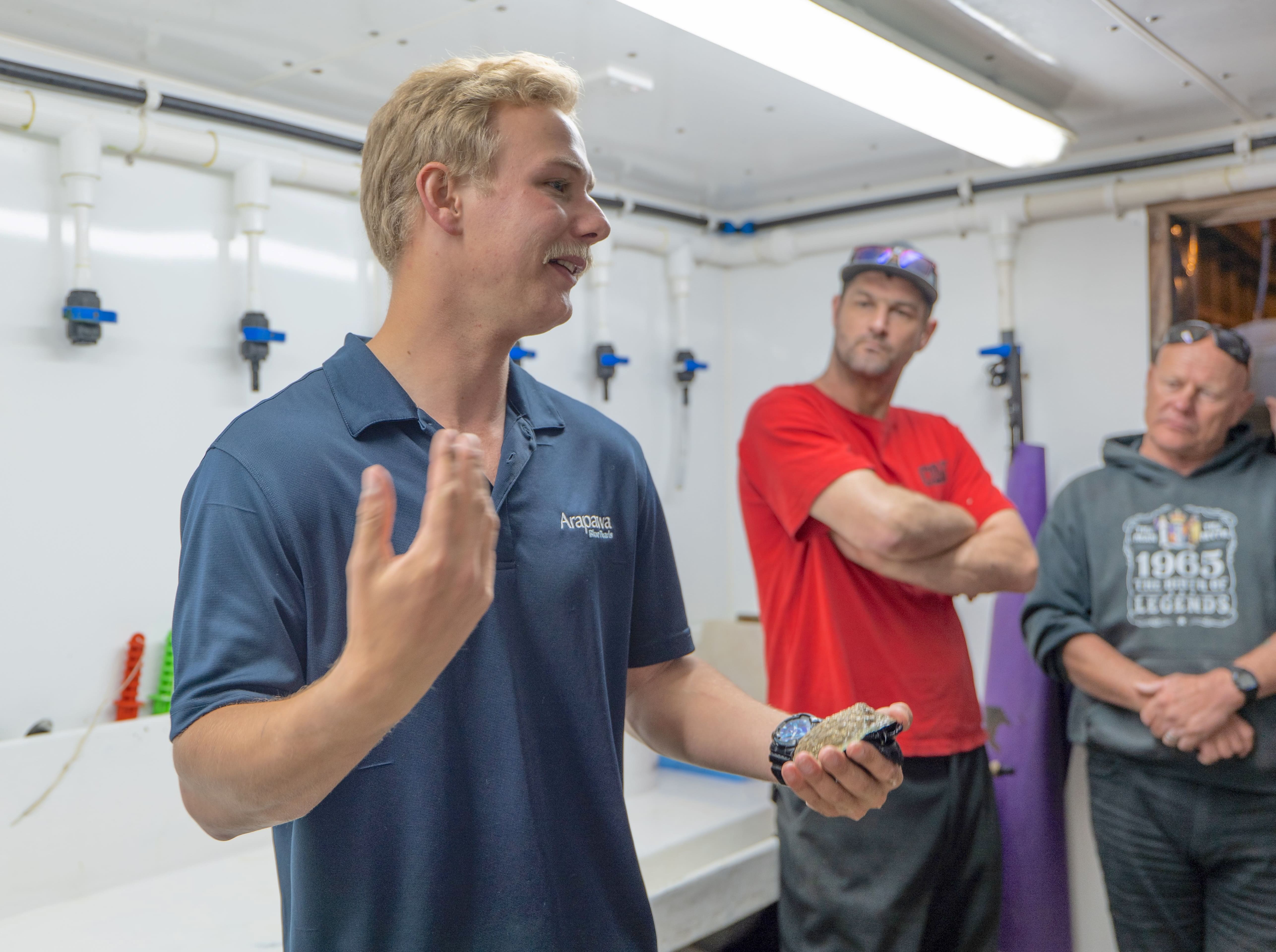
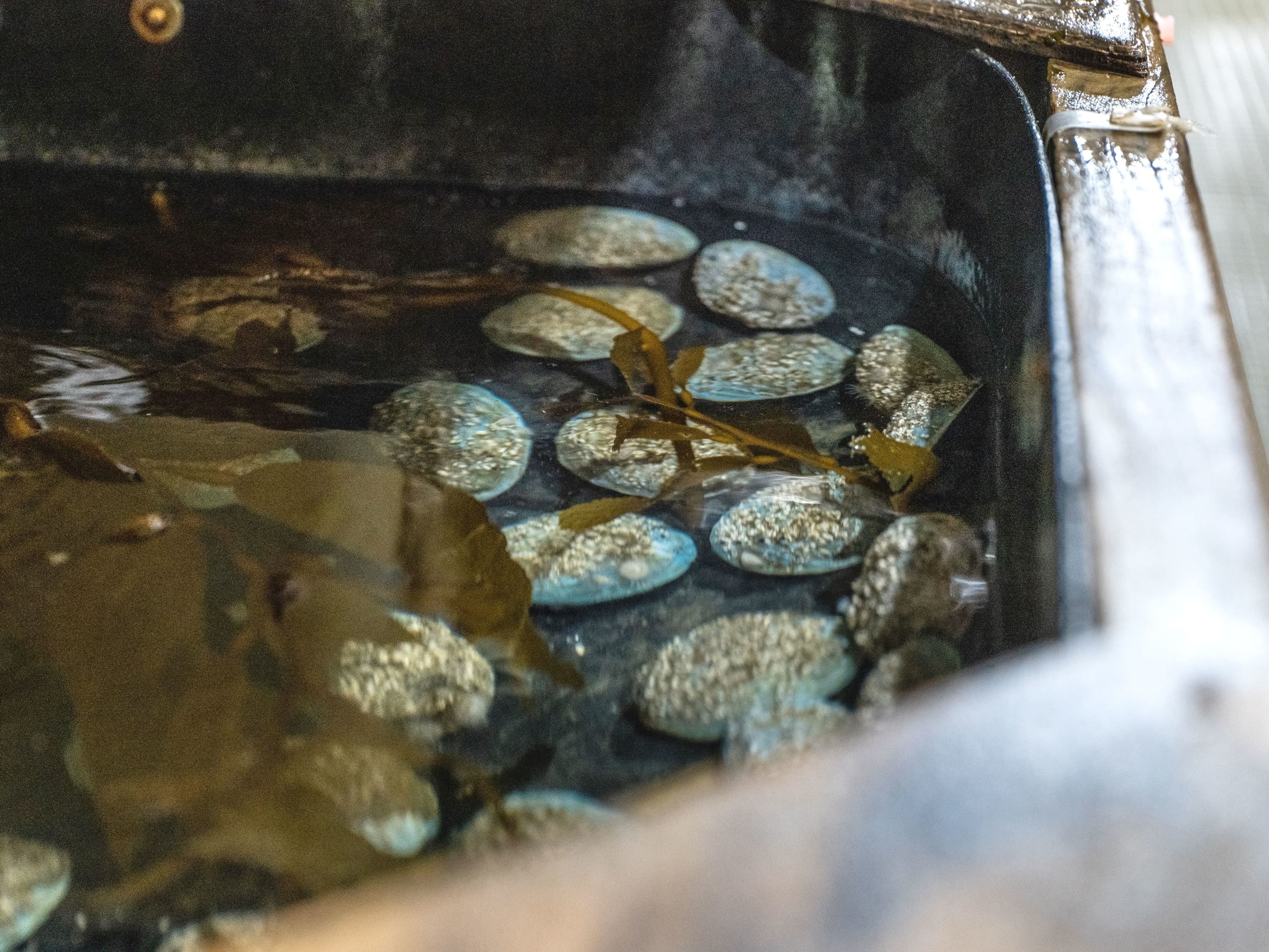
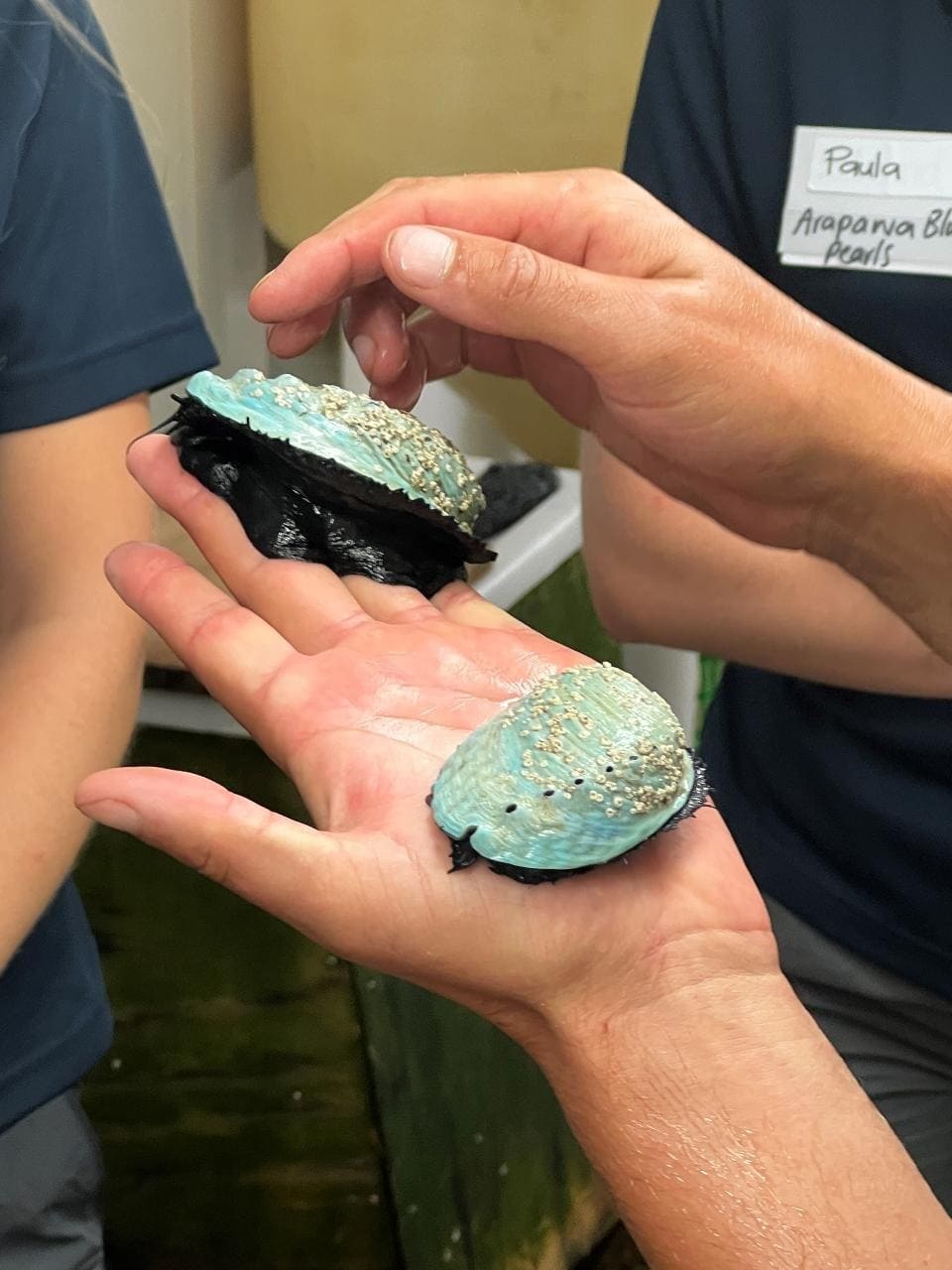
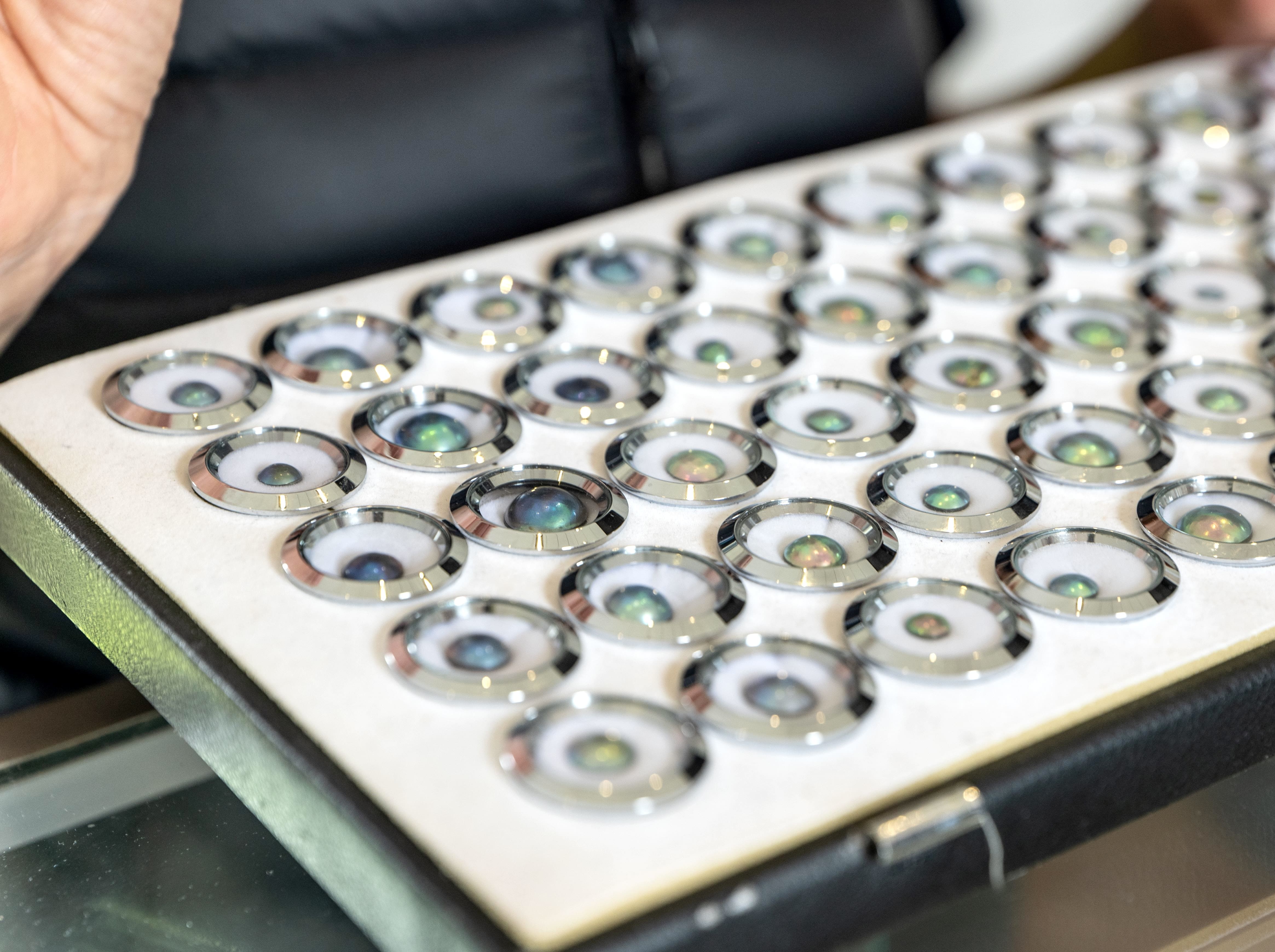
Bay, arriving at the Paua Pearl Farm. After
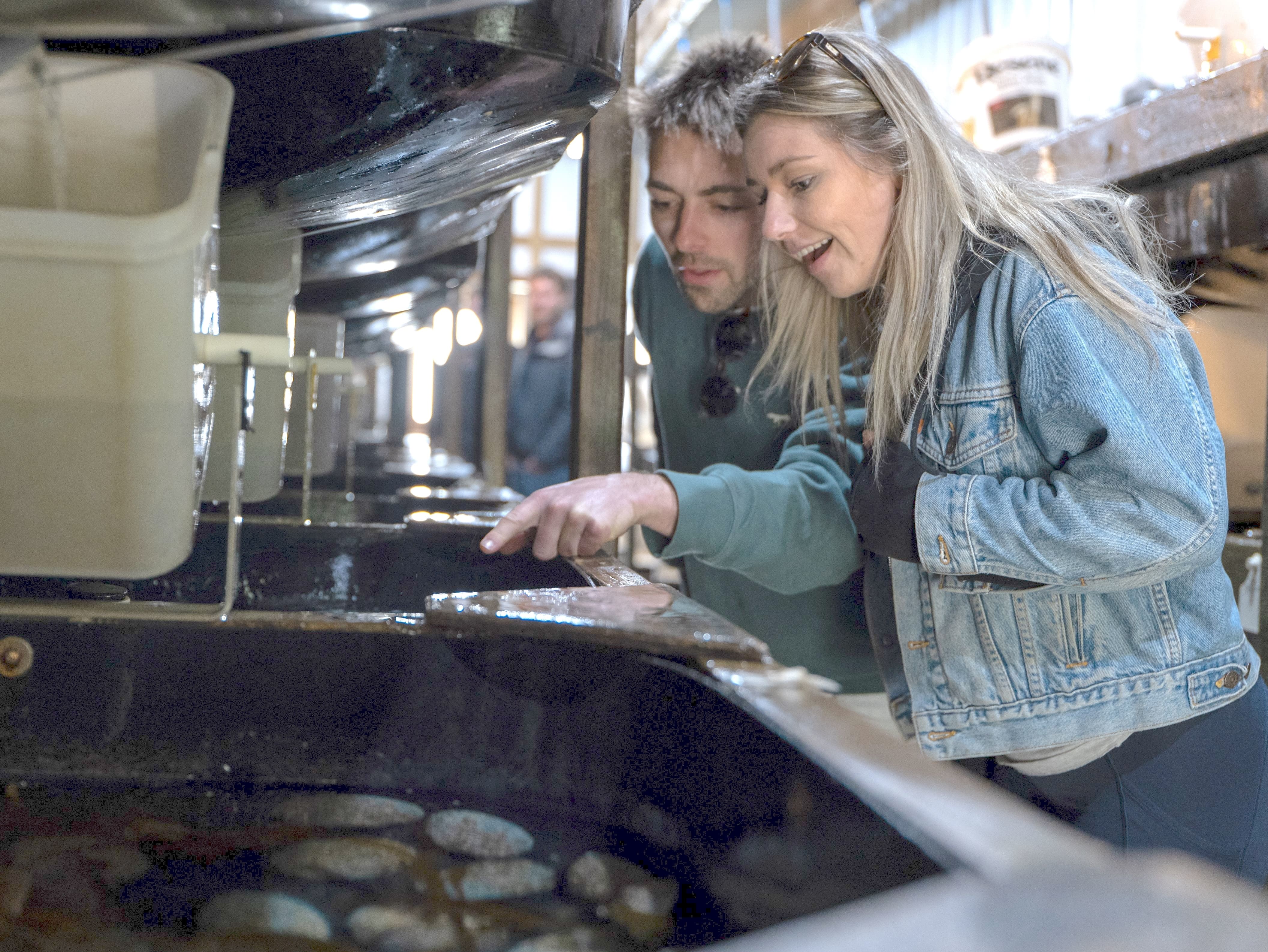
morning tea came a guided tour through the
hatchery and growing tanks where the abalone begin
their life cycle, get embedded with mantle tissue,
and are then harvested and the pearl extracted.
There are two videos below--the first is by Arapawa
Blue Pearls, that details the actual tour,
while the second by the "Pearl
Girls" goes into greater depth regarding the
pearl-making process. Below the videos is a photo
gallery of the Paua Pearl Farm.
Our
tour group headed back towards the north end of
the island and took a 45-minute cruise of the
outer Marlborough Sound to the jetty at Whekenui
Bay, arriving at the Paua Pearl Farm. After
morning tea came a guided tour through the
hatchery and growing tanks where the abalone begin
their life cycle, get embedded with mantle tissue,
and are then harvested and the pearl extracted.
There are two videos below--the first is by Arapawa
Blue Pearls, that details the actual tour,
while the second by the "Pearl
Girls" goes into greater depth regarding the
pearl-making process. Below the videos is a photo
gallery of the Paua Pearl Farm.| Paua Pearl Farm (click on photo to enlarge) |
||
 |
 |
 |
| The
Hatchery |
Explaining
How Pearls are Grown |
Cultivating
the Pearls |
 |
 |
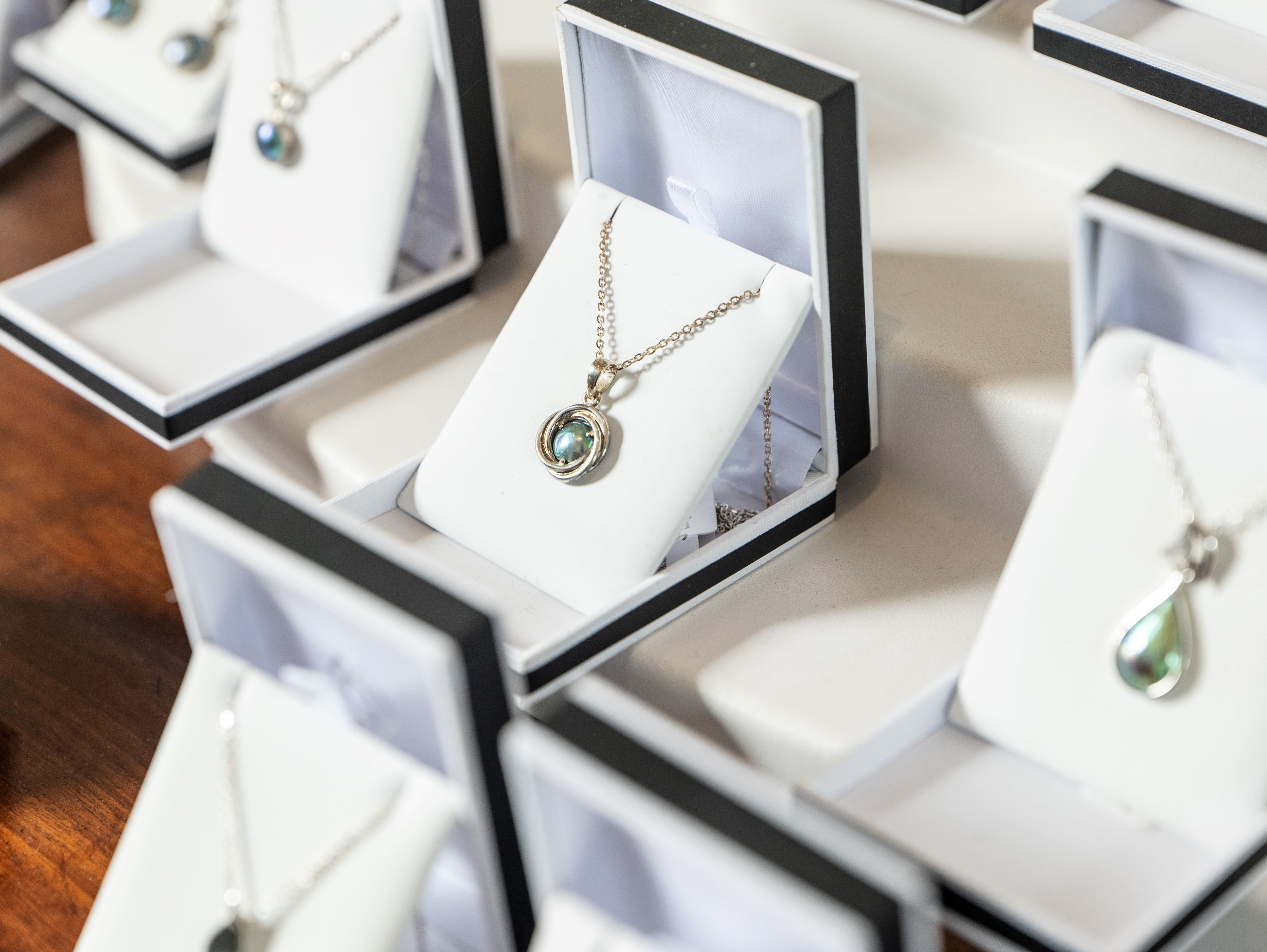 |
| Juvenile
Paua |
Graded
Pearls |
Finished
Pearl Necklaces |
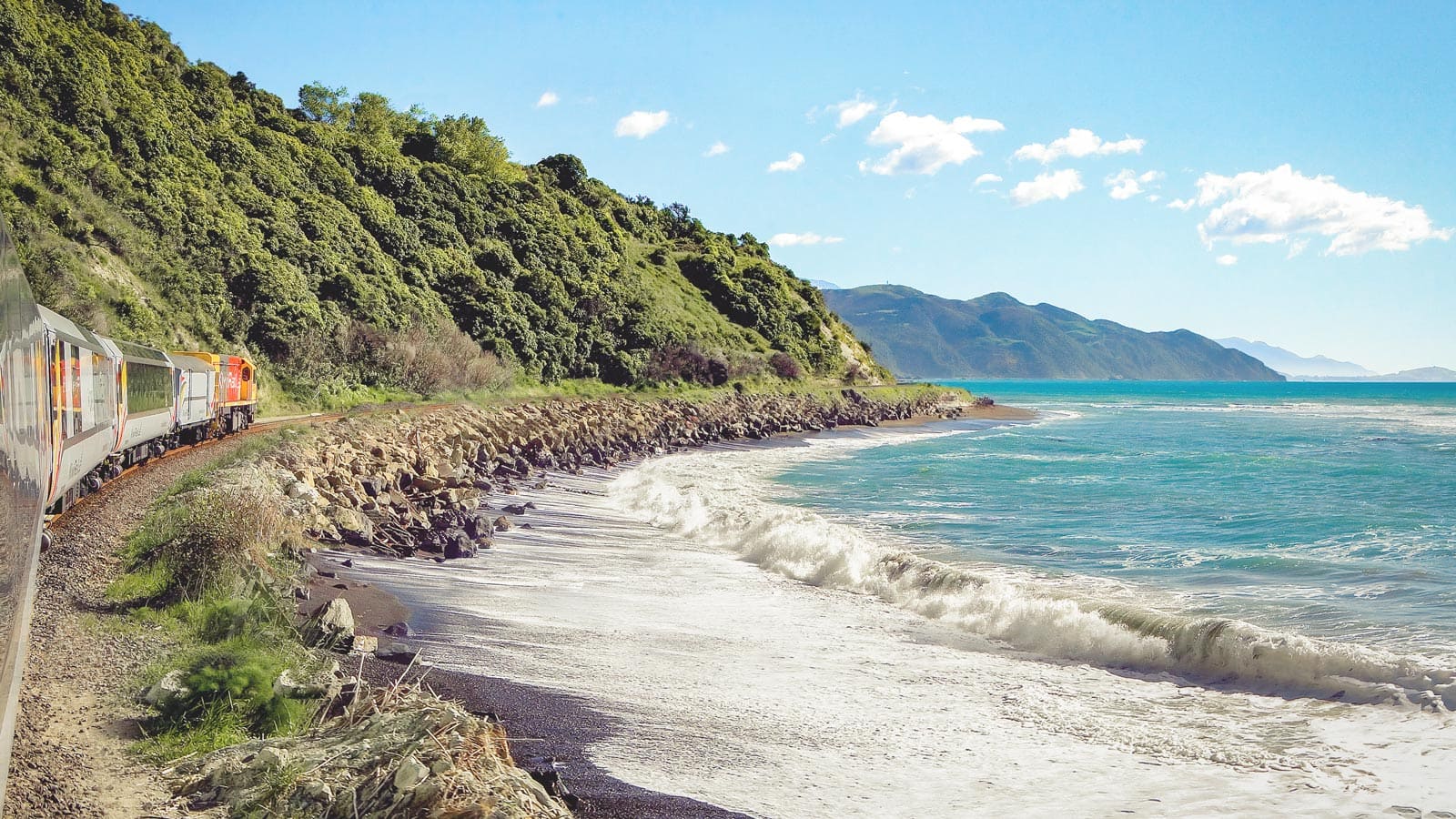
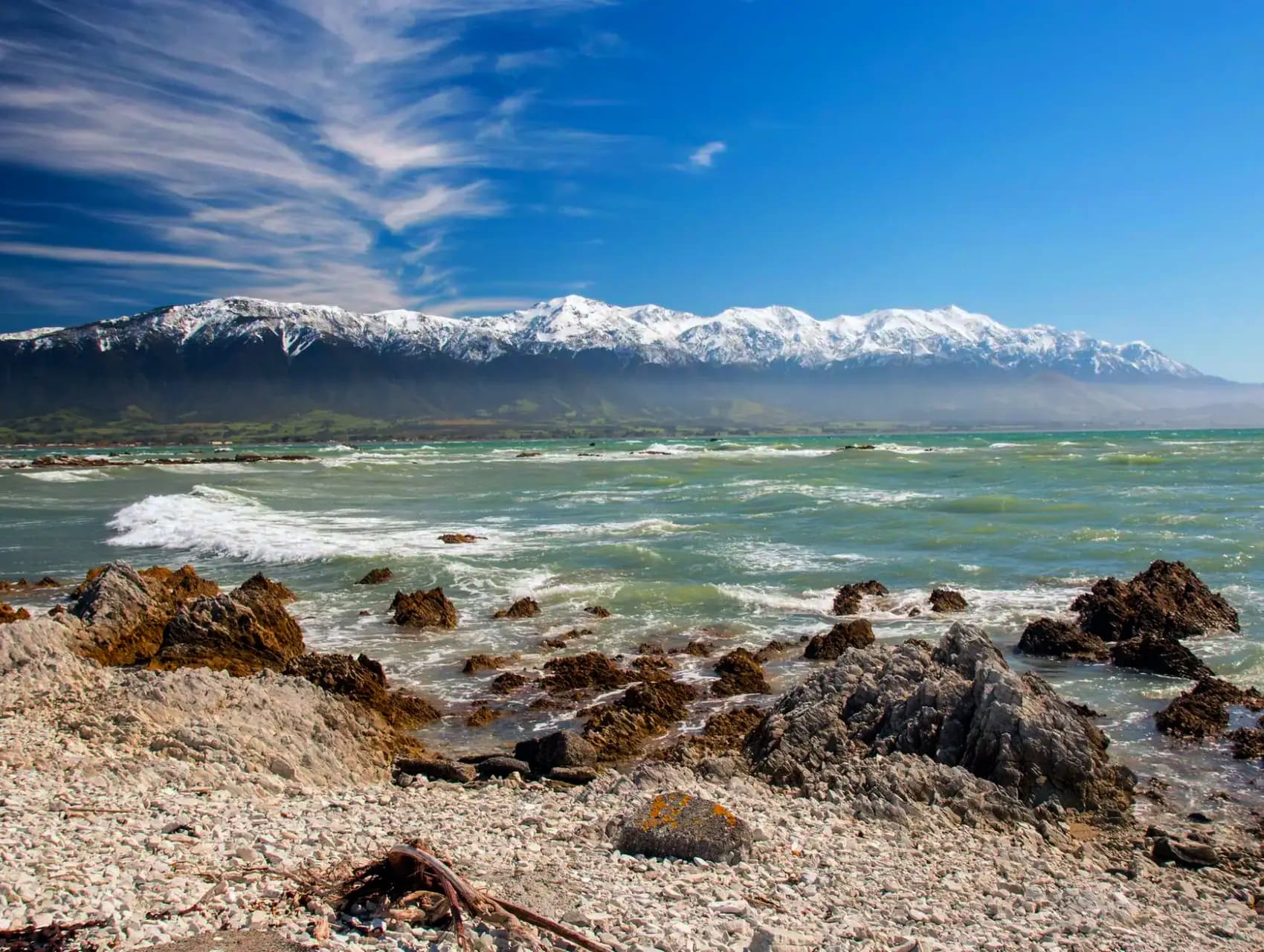 We
were picked up at the Blenheim railway
station, joining our group who boarded one
stop earlier at Picton. Departing about 2
p.m., the train ride to Kaikǒura takes about 2
hours. The geography on the journey was
ever-changing: green mountains and pastures
give way to a more arid geography which in
turn gives way to a seaside approach to
Kaikǒura. As you can see by these photos,
Kaikōura is a stunning setting--a beautiful
bay set against the backdrop of snow-capped
mountains. Below is a high-speed
video of the trip from Blenheim to
Kaikǒura by
DTPicturesNX
We
were picked up at the Blenheim railway
station, joining our group who boarded one
stop earlier at Picton. Departing about 2
p.m., the train ride to Kaikǒura takes about 2
hours. The geography on the journey was
ever-changing: green mountains and pastures
give way to a more arid geography which in
turn gives way to a seaside approach to
Kaikǒura. As you can see by these photos,
Kaikōura is a stunning setting--a beautiful
bay set against the backdrop of snow-capped
mountains. Below is a high-speed
video of the trip from Blenheim to
Kaikǒura by
DTPicturesNX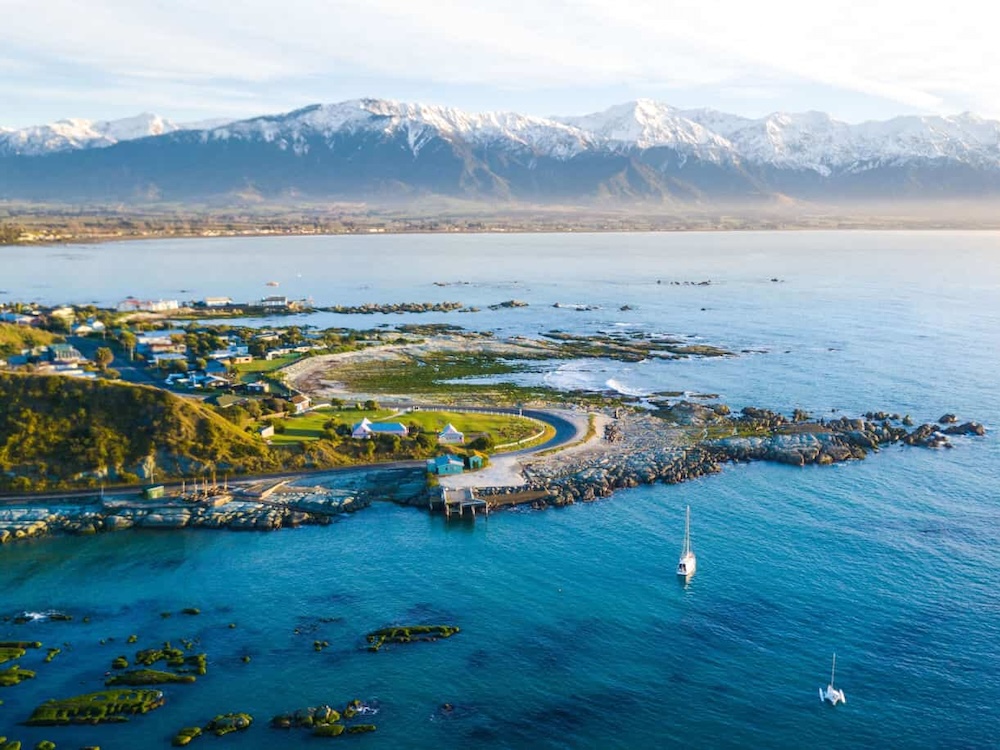 Kaikǒura is a
seaside town wedged between the mountain range of the
same name and the South Pacific Ocean. It was
given the name by Tama ki te Raki, an early
Maori explorer, who paused here on his
exploration of New Zealand's South Island to eat
a meal of crayfish. Thus this area became known
as Kaikǒura--literally it means "to eat
crayfish." One can only hope he showed more
original names for his other discoveries!
Kaikǒura is a
seaside town wedged between the mountain range of the
same name and the South Pacific Ocean. It was
given the name by Tama ki te Raki, an early
Maori explorer, who paused here on his
exploration of New Zealand's South Island to eat
a meal of crayfish. Thus this area became known
as Kaikǒura--literally it means "to eat
crayfish." One can only hope he showed more
original names for his other discoveries! 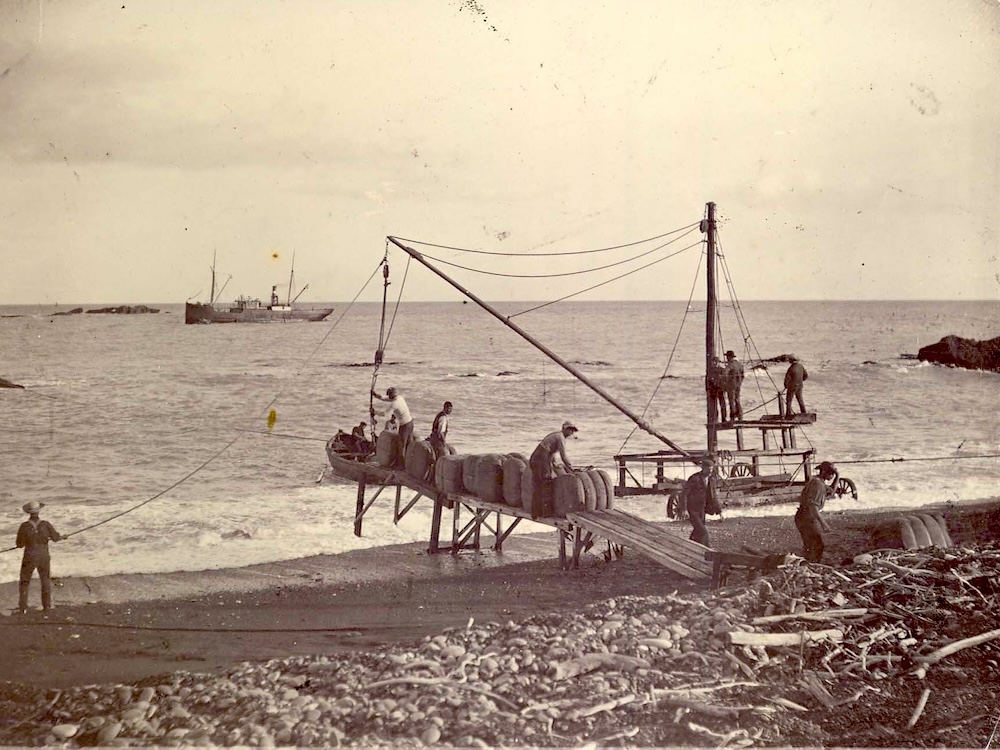
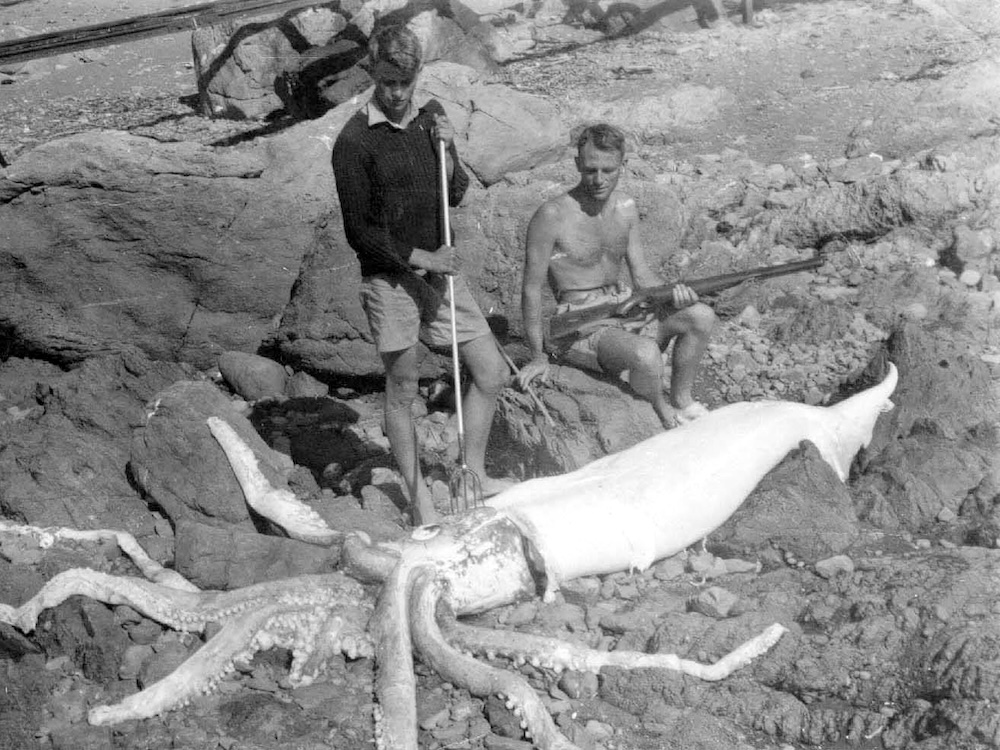 Settled
by the Maoris, the area offered an abundance of
sea food, and its ownership was contested by
rival Maori tribes in the early 1800's. The area
was known to Europeans from the sea voyages of
Captain Cook, although he never anchored his
ships there. In
1842 Kaikǒura saw its first influx of
Europeans, the Fyffe family, who, along with
John Guard, established a whaling station with
a crew of 40 men. A second station at South
Bay was established in 1867, and it became the
commercial center of the town, as it remains
to this day. As the number of whales
decreased, the Fyffe family diversified into
shiping and farming. Modern Kaikǒura evolved
with the completion of the Picton to
Christchurch rail service in December, 1945.
However, overfishing saw a decline in the
economy by the 1970's. Starting in 1985,
locals developed a tourist center and began
promoting the town as a tourist destination.
Primary draws were the walking trails where
marine life could be spotted, as well as boat
trips to view the dolphins and whales. It was
crippled by the November 14th, 2016
earthquake, the second largest magnitude in
New Zealand History.
Settled
by the Maoris, the area offered an abundance of
sea food, and its ownership was contested by
rival Maori tribes in the early 1800's. The area
was known to Europeans from the sea voyages of
Captain Cook, although he never anchored his
ships there. In
1842 Kaikǒura saw its first influx of
Europeans, the Fyffe family, who, along with
John Guard, established a whaling station with
a crew of 40 men. A second station at South
Bay was established in 1867, and it became the
commercial center of the town, as it remains
to this day. As the number of whales
decreased, the Fyffe family diversified into
shiping and farming. Modern Kaikǒura evolved
with the completion of the Picton to
Christchurch rail service in December, 1945.
However, overfishing saw a decline in the
economy by the 1970's. Starting in 1985,
locals developed a tourist center and began
promoting the town as a tourist destination.
Primary draws were the walking trails where
marine life could be spotted, as well as boat
trips to view the dolphins and whales. It was
crippled by the November 14th, 2016
earthquake, the second largest magnitude in
New Zealand History.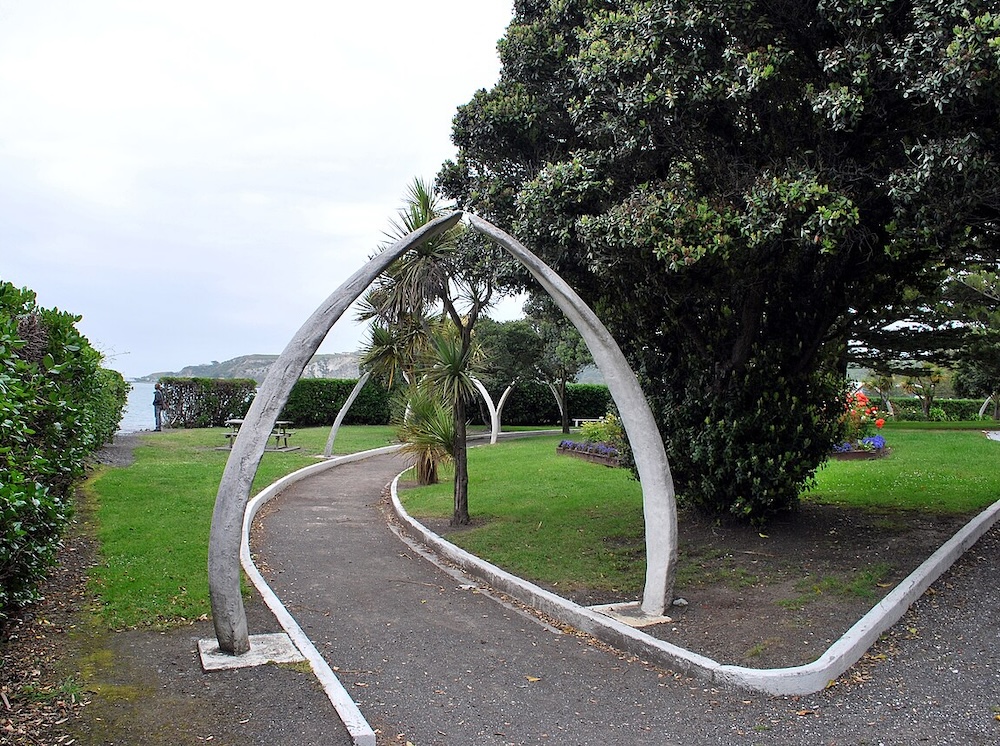
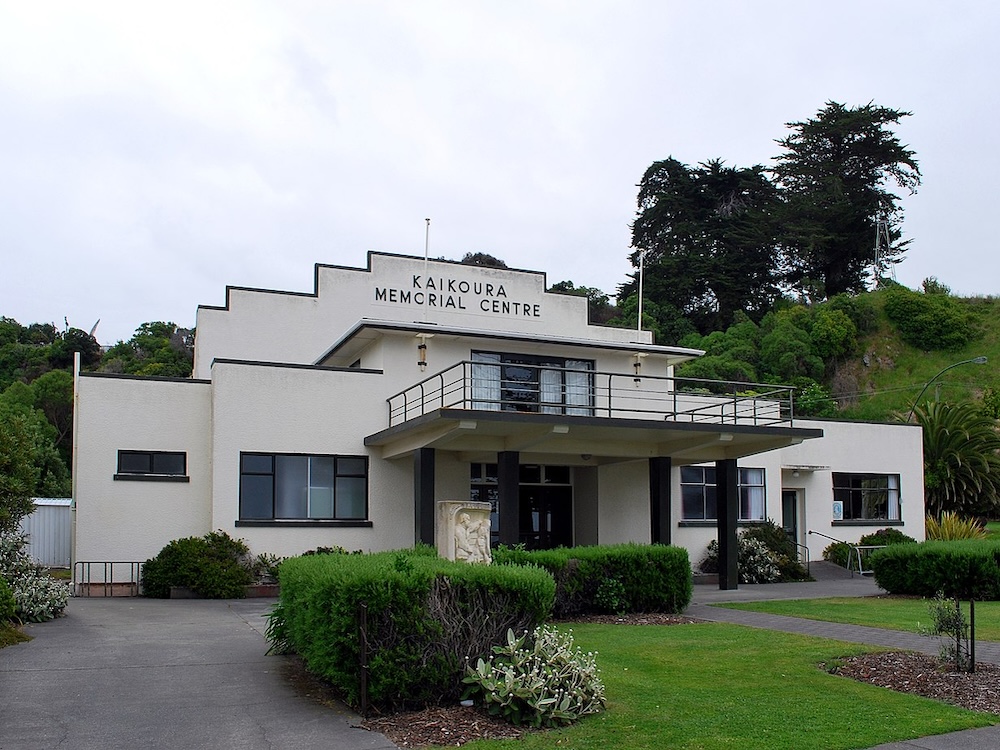
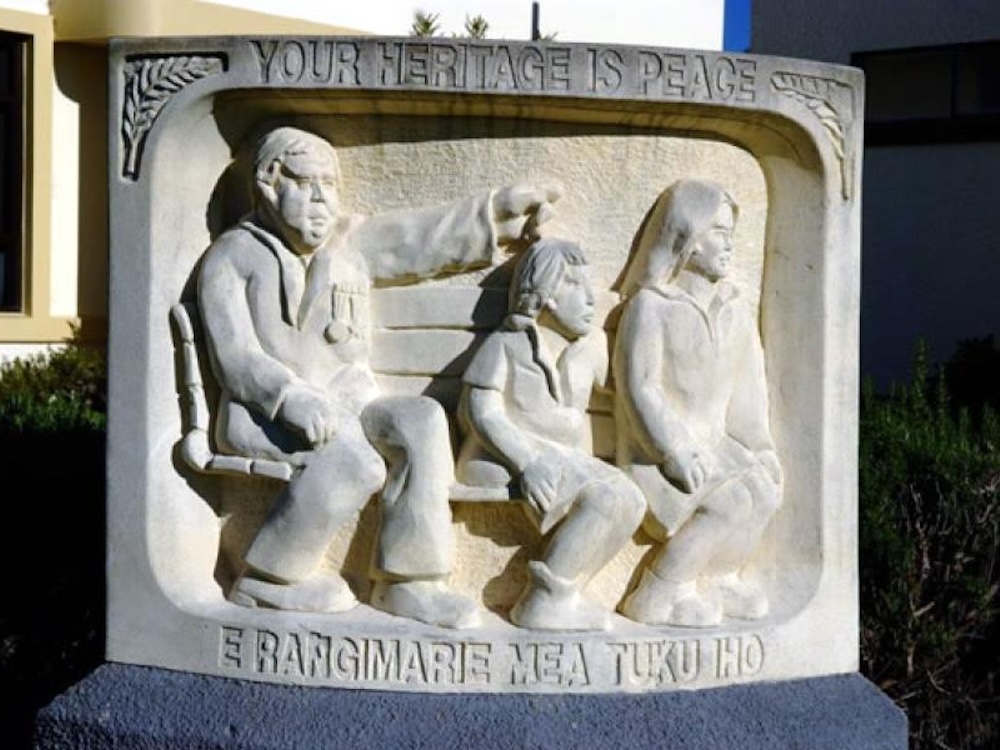
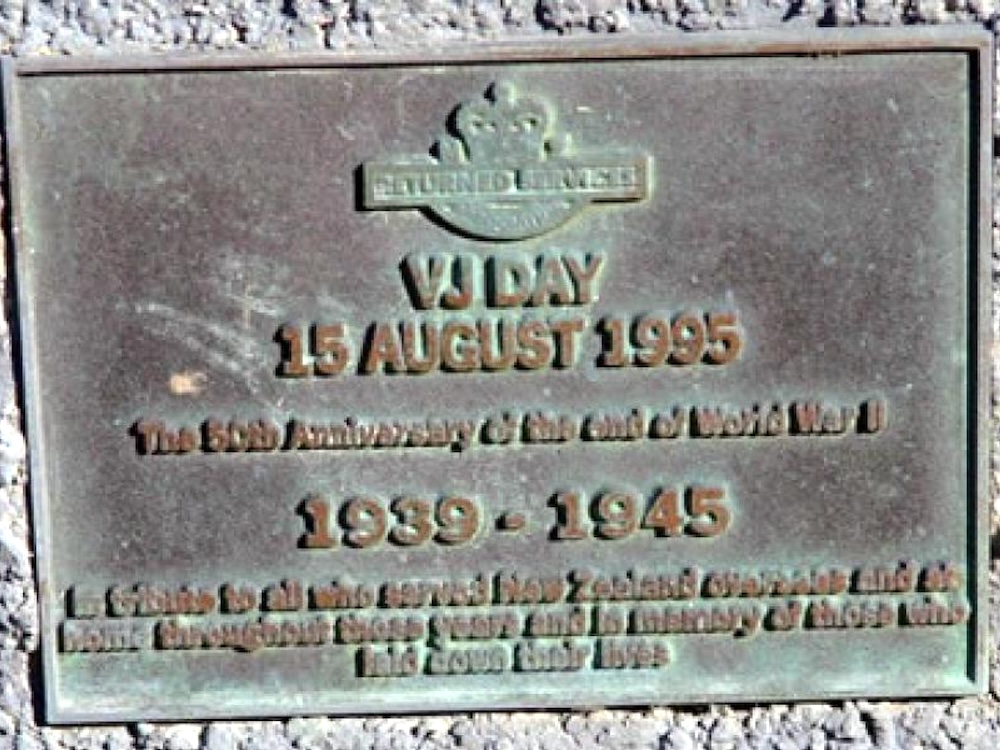
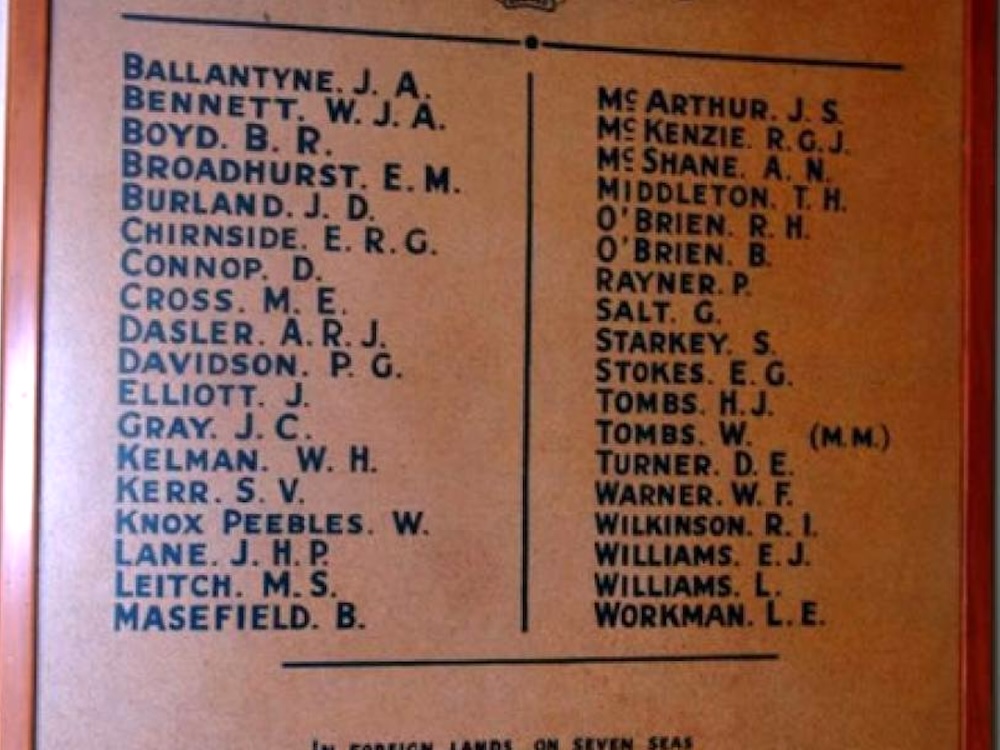
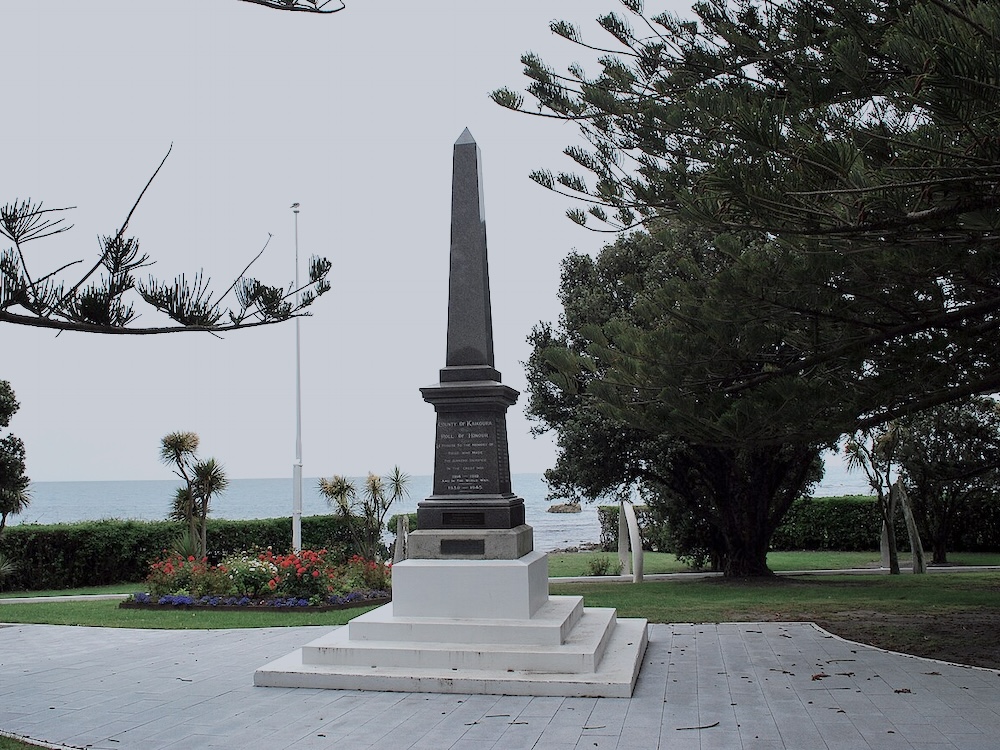 The Garden of Memories is
situated opposite the Kaikǒura Memorial Center. The small
garden features a number of whalebone arches (since replaced
by concrete replicas) and is a tribute to those in Kaikǒura
who sacrificed their lives during the two
World Wars. Early in 1921 a memorial obelisk dedicated to
the memory of Kaikǒura servicemen
killed in World War I was unveiled. It
overlooks and provides access to the beach below. The
spot for the memorial park was sandy, stony, and
generally inhospitable to all but local plants.
It was the dedicated effort of Lydia Washington that brought
the area to life. The adjacent Kaikǒura Memorial Center
contains plaques and an honor roll of the World War I fallen
at its entrance.
The Garden of Memories is
situated opposite the Kaikǒura Memorial Center. The small
garden features a number of whalebone arches (since replaced
by concrete replicas) and is a tribute to those in Kaikǒura
who sacrificed their lives during the two
World Wars. Early in 1921 a memorial obelisk dedicated to
the memory of Kaikǒura servicemen
killed in World War I was unveiled. It
overlooks and provides access to the beach below. The
spot for the memorial park was sandy, stony, and
generally inhospitable to all but local plants.
It was the dedicated effort of Lydia Washington that brought
the area to life. The adjacent Kaikǒura Memorial Center
contains plaques and an honor roll of the World War I fallen
at its entrance.| Kaikōura
Memorial Centre (click on photo to enlarge) |
|
 |
 |
| Kaikōura Memorial Center | Peace Plaque |
 |
 |
| VJ Day Plaque |
WW I Honor
Roll |
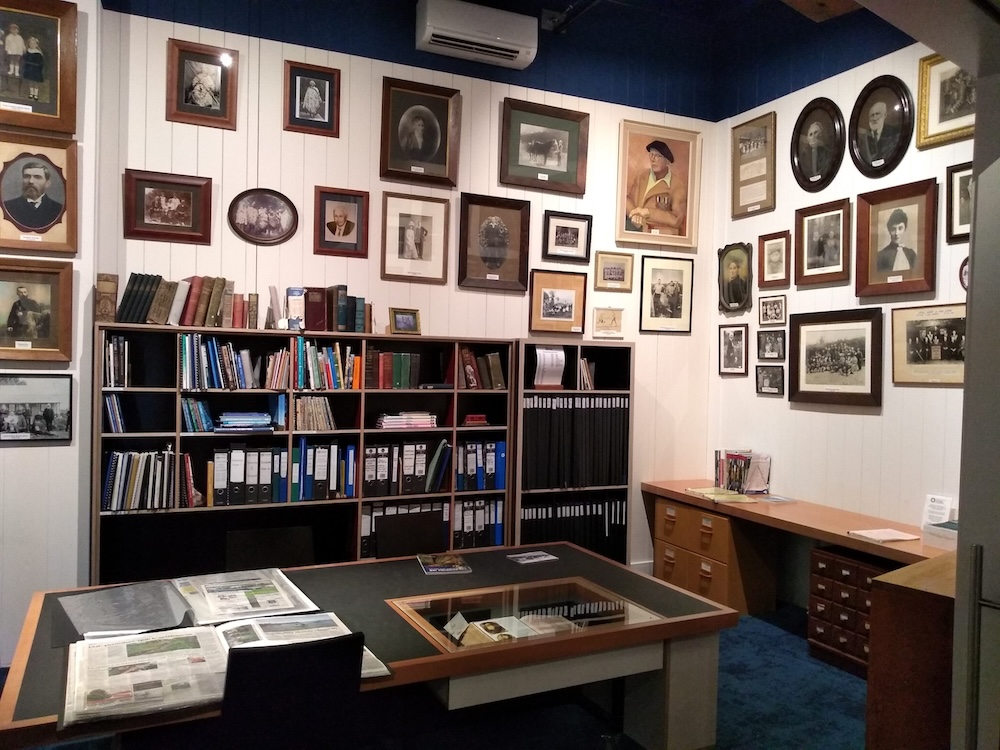
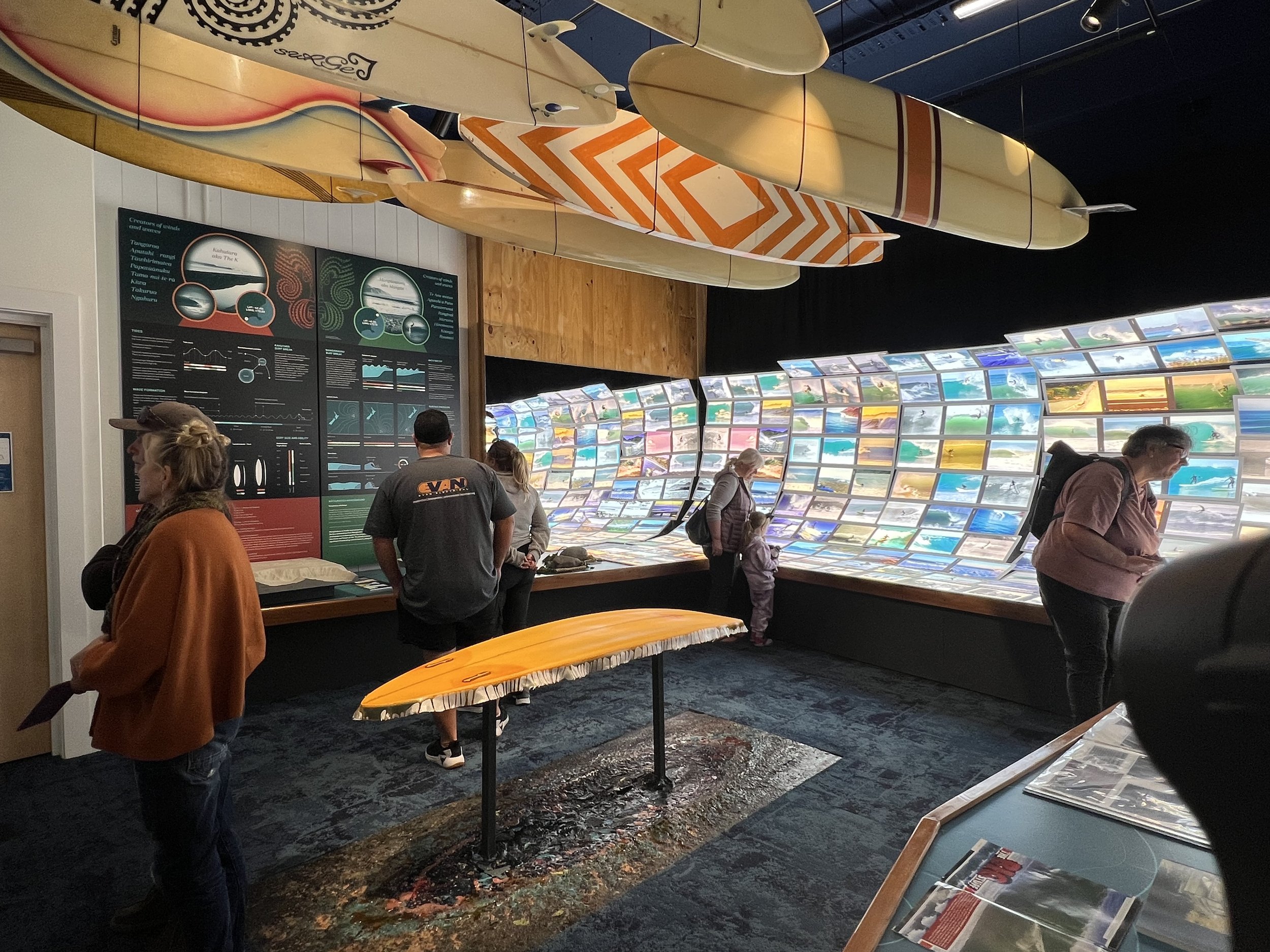
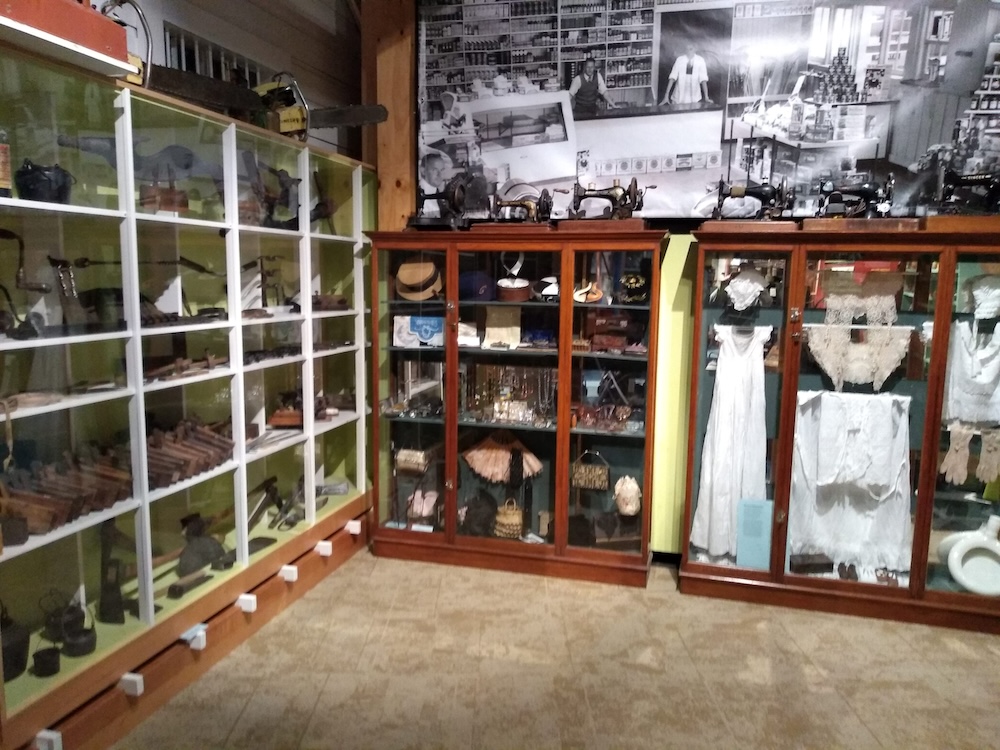
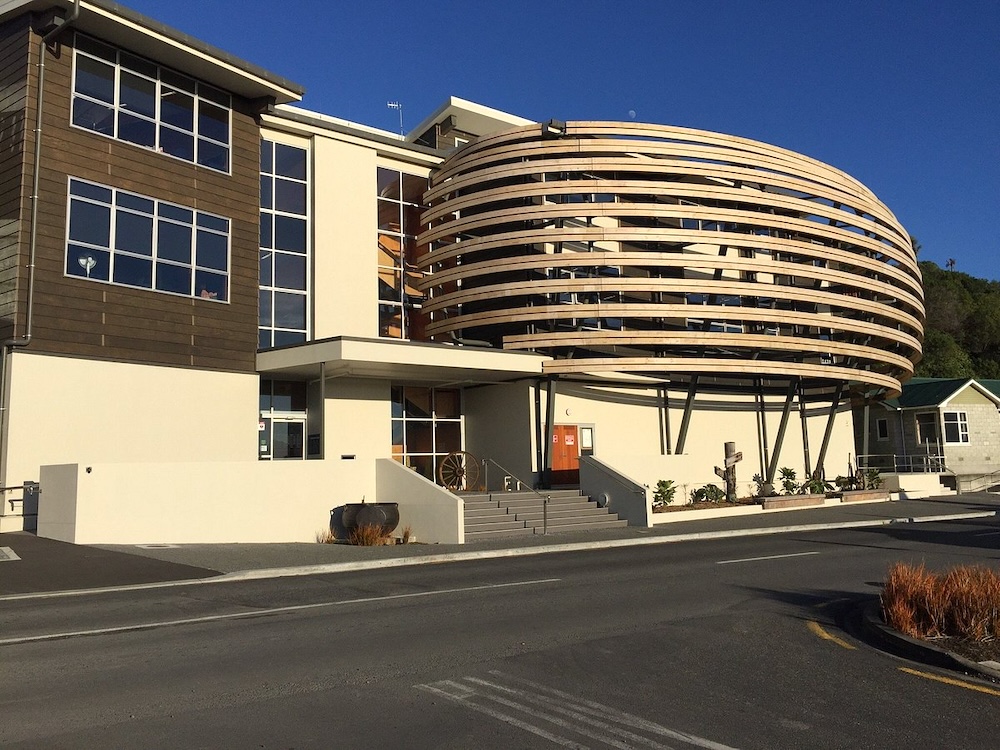 The Kaikǒura Museum
is located on the first floor of the town's library and main
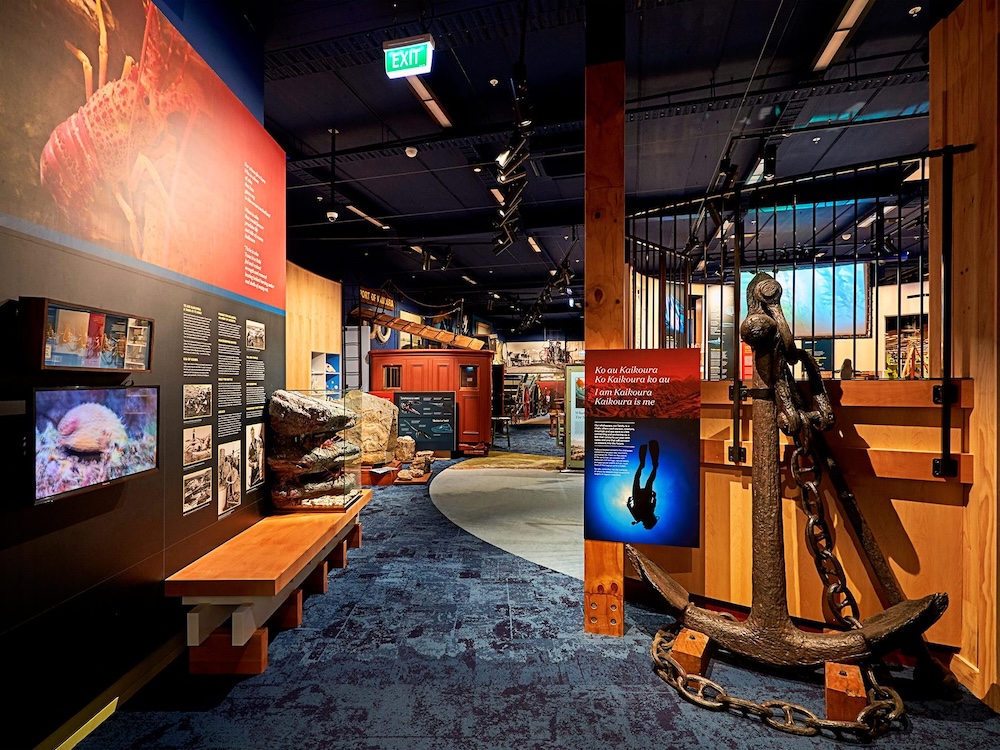
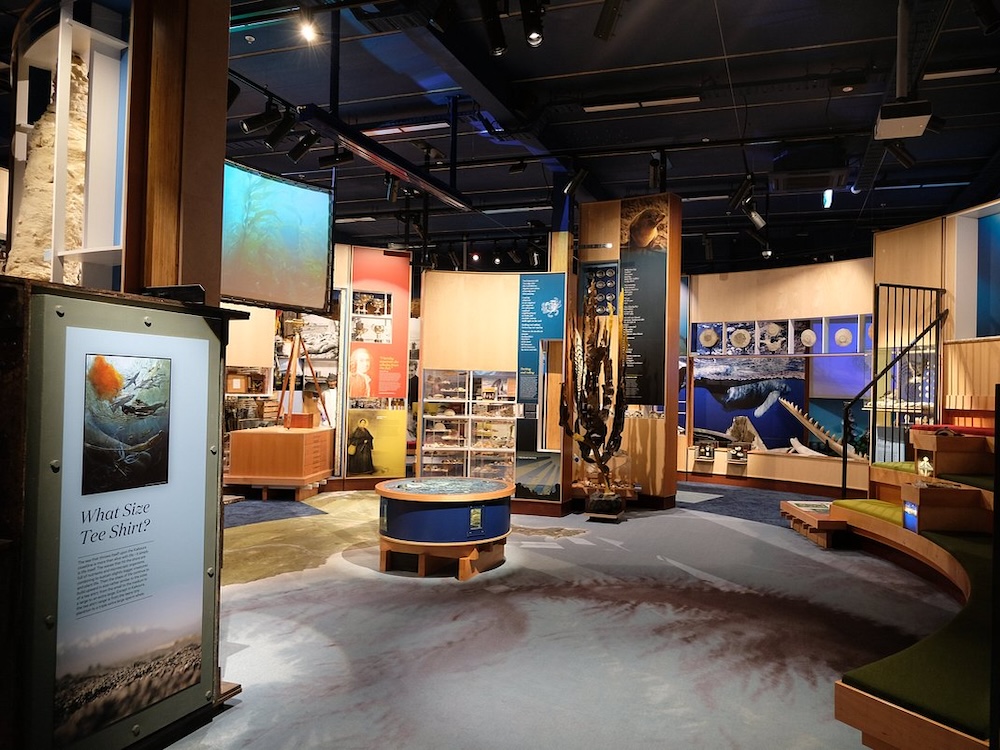
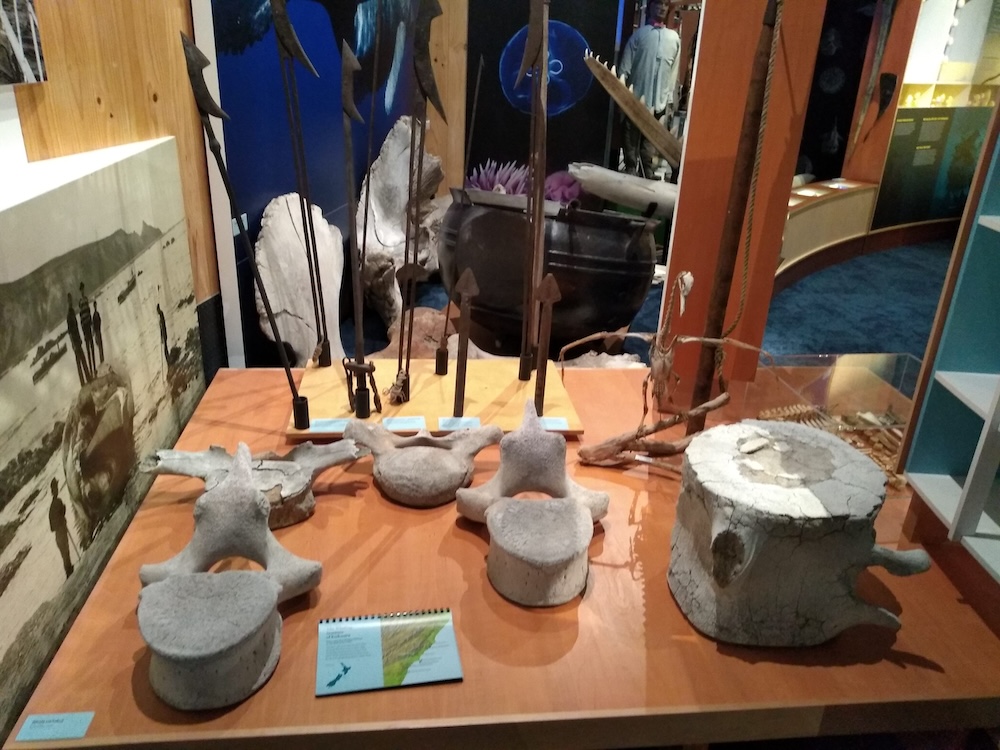
civic building and consists of three spaces. It showcases
Kaikǒura's diverse and colorful natural, social, and
cultural history. The Kaikōura's collections take into
account the geological and natural history of the district
(including some impressive dinosaur fossils). It also
contains Taonga Maori (valued possessions of the Maoris),
and artifacts of early colonial life--whaling, fishing,
surfing, and a large collection of marine specimens. The
museum's New Normal exhibit details the effects of
the catastrophic 2016 earthquake. Below is a video
walkthrough of the museum by fjbutch,
and below that a photo gallery of the Museum
The Kaikǒura Museum
is located on the first floor of the town's library and main
civic building and consists of three spaces. It showcases
Kaikǒura's diverse and colorful natural, social, and
cultural history. The Kaikōura's collections take into
account the geological and natural history of the district
(including some impressive dinosaur fossils). It also
contains Taonga Maori (valued possessions of the Maoris),
and artifacts of early colonial life--whaling, fishing,
surfing, and a large collection of marine specimens. The
museum's New Normal exhibit details the effects of
the catastrophic 2016 earthquake. Below is a video
walkthrough of the museum by fjbutch,
and below that a photo gallery of the Museum| Kaikǒura Museum Photo Gallery (click on photo to enlarge) |
||
 |
 |
 |
 |
 |
 |
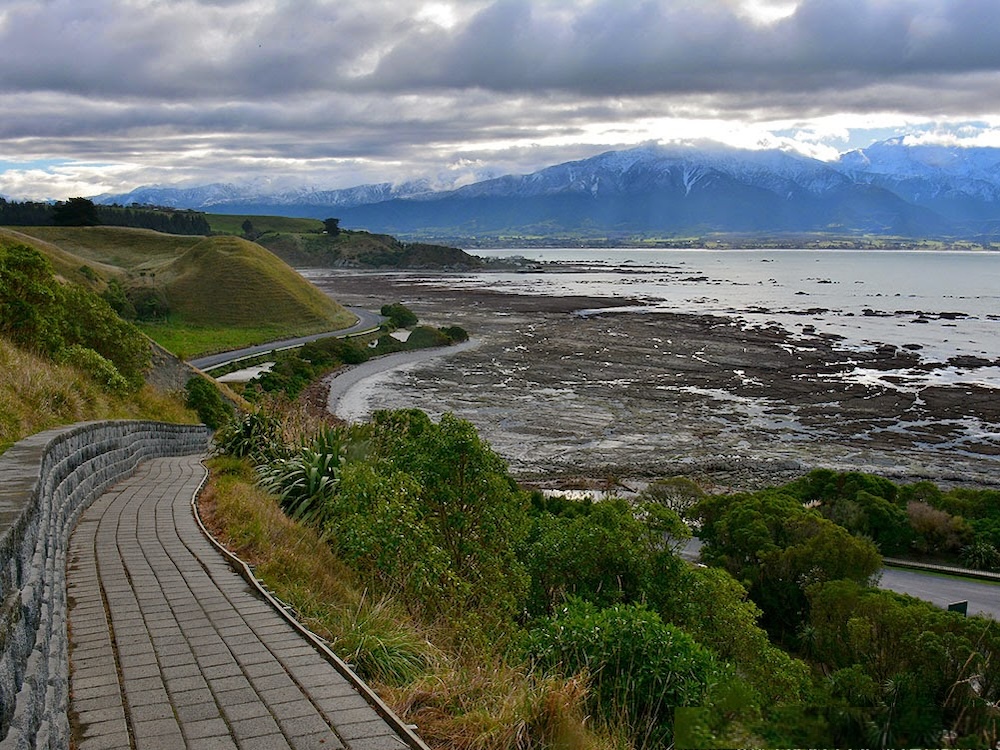 Kaikǒura
Peninsular Walkway. There are numerous walkways in the
Kaikōra region. One of the most popular is the Peninsular
Walkway which juts from the rugged east coast of the South
Island offering views of the sea, with mountains as its
backdrop. A wide variety of animals may be observed--whales,
dolphins, seals, birds, and crayfish. The route is dotted
with information panels explaining the rich history,
geography, animals, and plants that make the area a unique
biosphere. Below is a video by i-SITE
that traces the path along the peninsula.
Kaikǒura
Peninsular Walkway. There are numerous walkways in the
Kaikōra region. One of the most popular is the Peninsular
Walkway which juts from the rugged east coast of the South
Island offering views of the sea, with mountains as its
backdrop. A wide variety of animals may be observed--whales,
dolphins, seals, birds, and crayfish. The route is dotted
with information panels explaining the rich history,
geography, animals, and plants that make the area a unique
biosphere. Below is a video by i-SITE
that traces the path along the peninsula.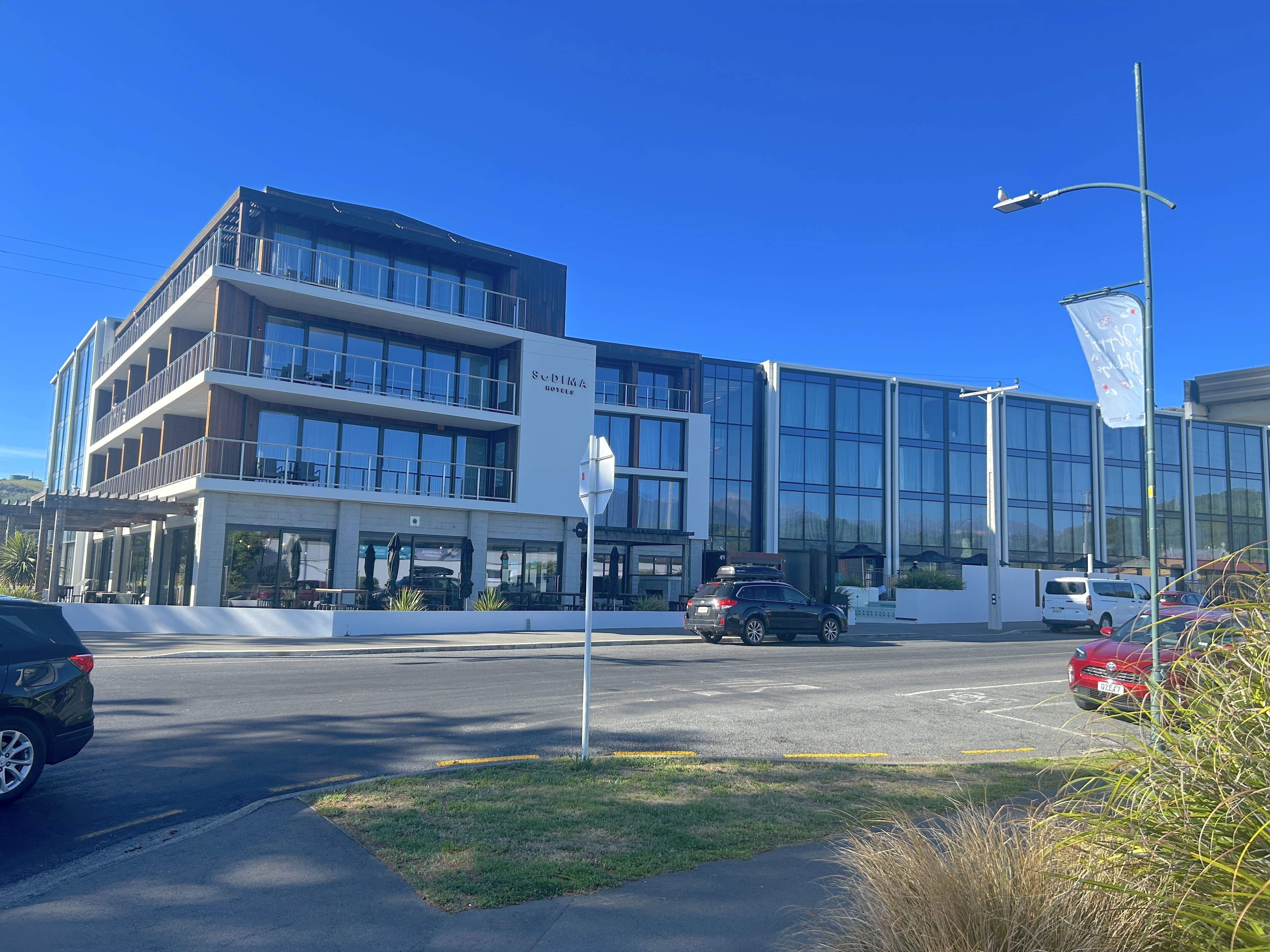
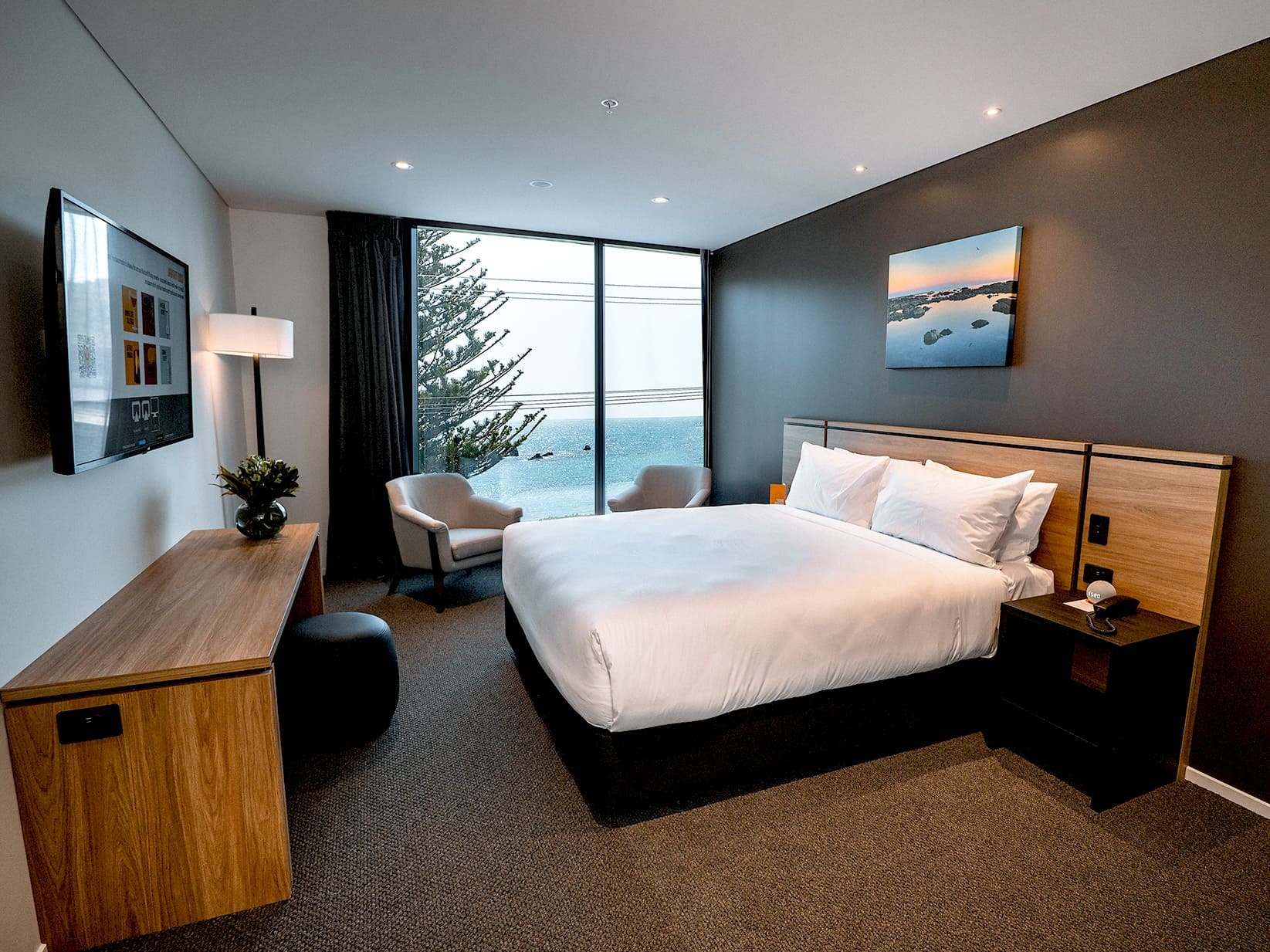 The Sudima Hotel is a very
modern structure, located on the waterfront with the
mountains as its backdrop. Inside it also had a sleek and
modern decor. Our room was large and well appointed and
the hotel was also convenient for our next day's activity,
as the Kaikǒura Encounter building was just across the
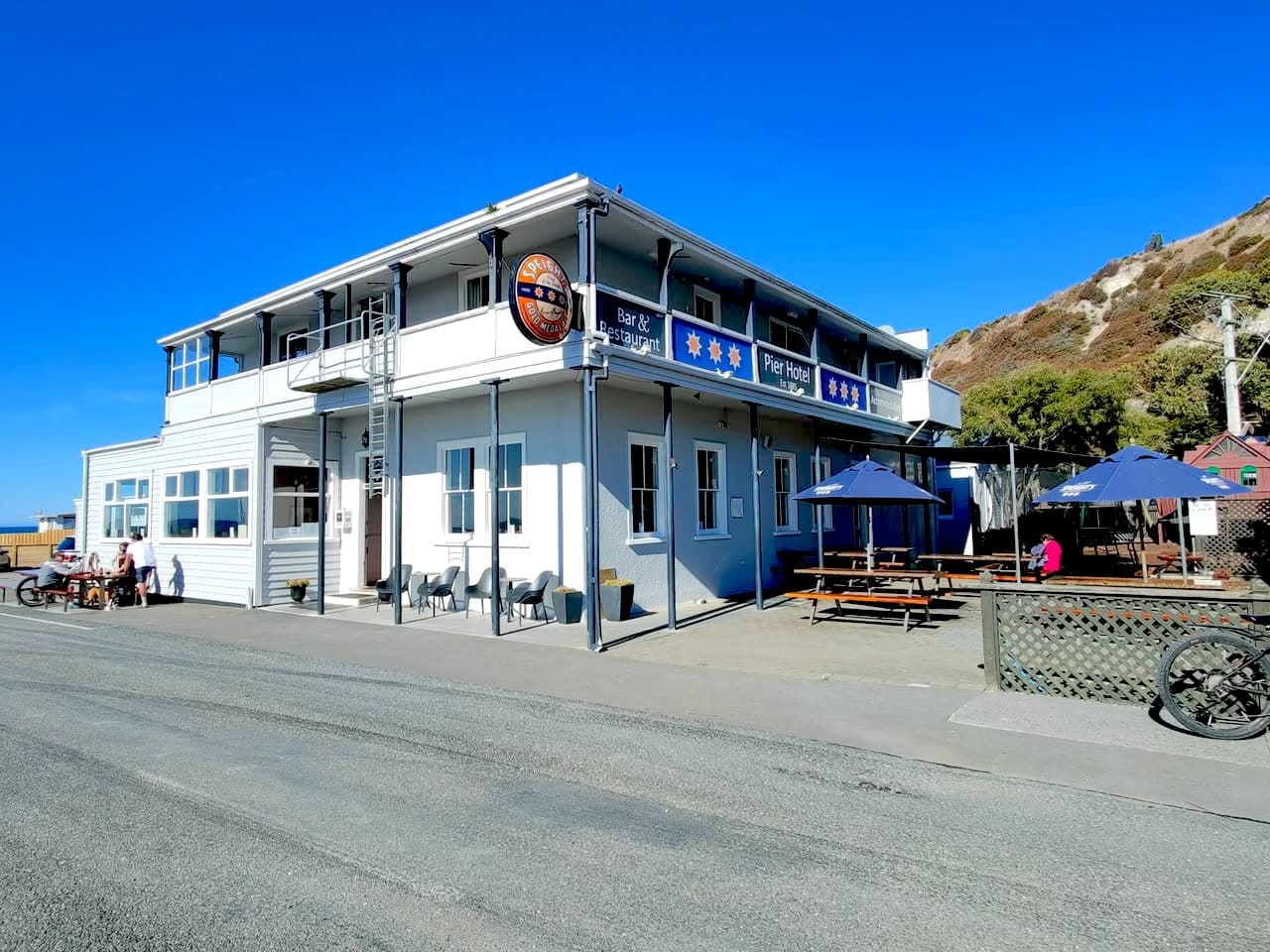
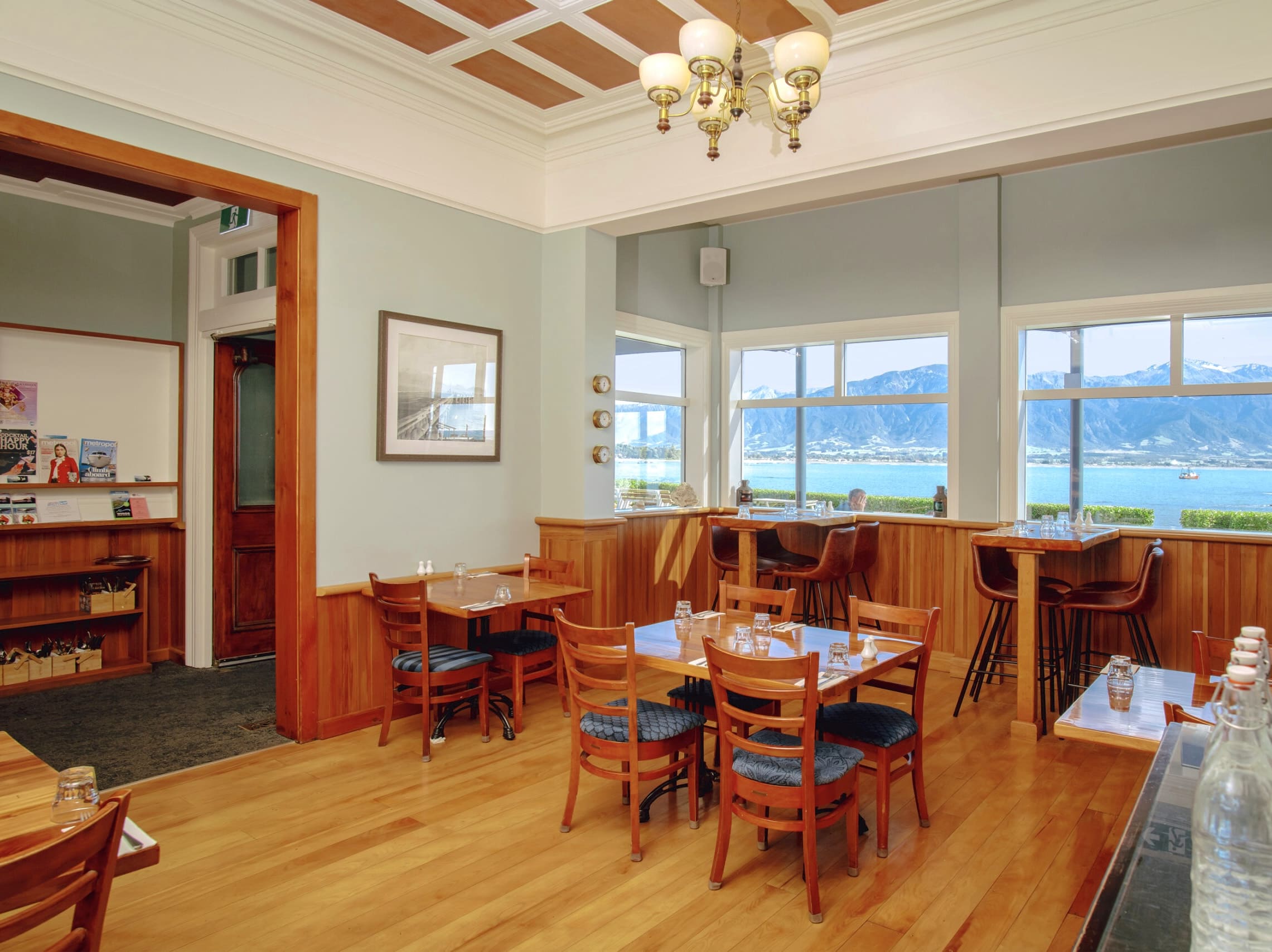
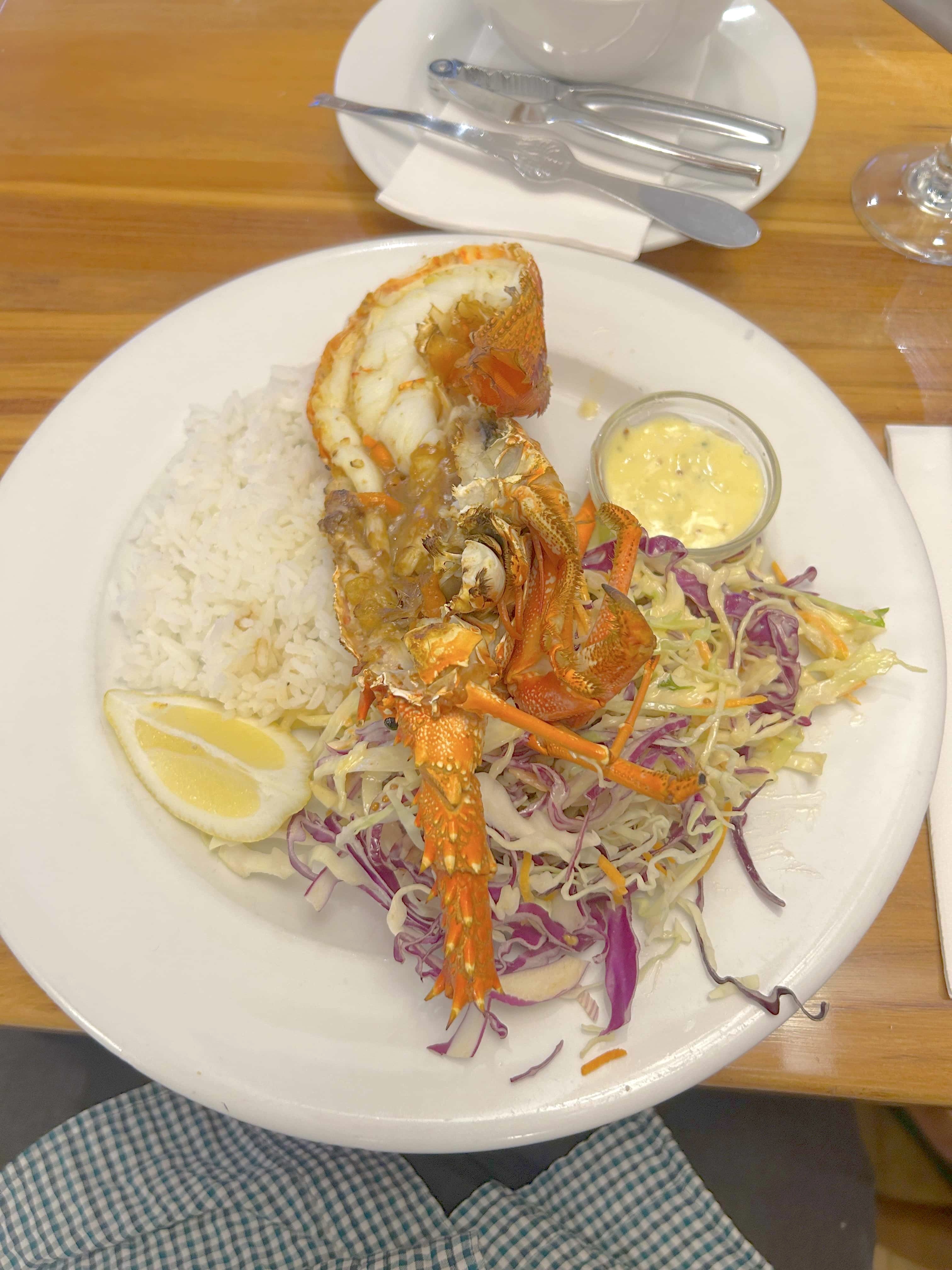
street. For dinner we headed to the restaurant at the Pier
Hotel. Like most of the local eateries, its speciality is
crayfish, which we ate in honor of Tama ki te Raki.
As we learned at the Western Australia Maritime Museum in
Freemantle, Oceania's crayfish are not to be confused with
the small "inferior" little critters that are popular in
Louisiana and Texas. So when in Rome--we just had to
sample these clawless lobsters, and we were not
disappointed.
The Sudima Hotel is a very
modern structure, located on the waterfront with the
mountains as its backdrop. Inside it also had a sleek and
modern decor. Our room was large and well appointed and
the hotel was also convenient for our next day's activity,
as the Kaikǒura Encounter building was just across the
street. For dinner we headed to the restaurant at the Pier
Hotel. Like most of the local eateries, its speciality is
crayfish, which we ate in honor of Tama ki te Raki.
As we learned at the Western Australia Maritime Museum in
Freemantle, Oceania's crayfish are not to be confused with
the small "inferior" little critters that are popular in
Louisiana and Texas. So when in Rome--we just had to
sample these clawless lobsters, and we were not
disappointed.| Restaurant at the Pier Hotel (click on photo to enlarge) |
||
 |
 |
 |
| The Pier
Restaurant |
Dining Room |
"Real" Crayfish |